In the wellness landscape of 2026, the focus has shifted from restrictive dieting to high-volume, nutrient-dense eating. People are looking for ways to feel satisfied while managing their energy intake, and low calorie smoothies have emerged as the ultimate solution. These drinks offer a convenient way to pack in vitamins, minerals, and antioxidants without the heavy caloric load of traditional blended shakes.
Weight management in the modern era is about finding sustainable habits that don’t feel like a chore. Smoothies are popular because they are versatile, portable, and can be tailored to any palate.
However, without a clear strategy, a simple drink can quickly turn into a sugar-heavy calorie bomb. Understanding how to construct low calorie smoothies allows you to enjoy a refreshing treat while staying well within your daily energy goals.
Whether you are looking for a light breakfast or a mid-afternoon snack, the right blend can keep your metabolism humming and your cravings at bay. This guide will walk you through the science of low-energy-density blending and provide you with ten delicious recipes that all fall under the 200-calorie mark.
By mastering the art of the low calorie smoothie, you can simplify your nutrition and focus on feeling your best every day.
Why Choose Smoothies Under 200 Calories?
Choosing a snack or meal replacement that stays under the 200-calorie threshold is a classic strategy for weight management. It allows for high-frequency eating, which many people find helps prevent the intense hunger that leads to overeating at dinner.
When you opt for low calorie smoothies, you are prioritizing volume. You get a large, satisfying drink that takes time to consume, which sends signals of fullness to your brain.
Portion awareness is often the biggest hurdle in any health journey. A low calorie smoothie provides a controlled environment where every ingredient is measured. This eliminates the guesswork associated with “eye-balling” portions.
Furthermore, these drinks serve as an excellent vehicle for fiber. Fiber slows down digestion and keeps you fuller for longer, making these under-200-calorie options surprisingly resilient against hunger.
How to Build a Low-Calorie Smoothie
Creating a satisfying drink with limited calories requires a bit of “liquid engineering.” The first step is choosing your base. Instead of using whole milk or fruit juice, which are high in calories and sugar, opt for unsweetened almond milk, coconut water, or plain water. These liquids provide the necessary texture for low calorie smoothies without the caloric baggage.
Next, focus on low-sugar fruits. While all fruit is healthy, some are more calorie-dense than others. Berries, peaches, and melons are fantastic choices because they provide a lot of flavor and volume for very few calories.
To add creaminess without adding fat, try using frozen cauliflower rice or a handful of spinach. You won’t taste them, but they add a wonderful thickness to your low calorie smoothie recipe.
Protein is the final piece of the puzzle. While protein adds calories, it also adds satiety. Using a half-scoop of high-quality plant-based protein or a bit of Greek yogurt can turn a simple fruit drink into one of the many low calorie high protein smoothies that support muscle maintenance during weight loss. For sweetness, avoid honey or agave; instead, use a few drops of stevia or a dash of cinnamon to enhance the natural flavors.
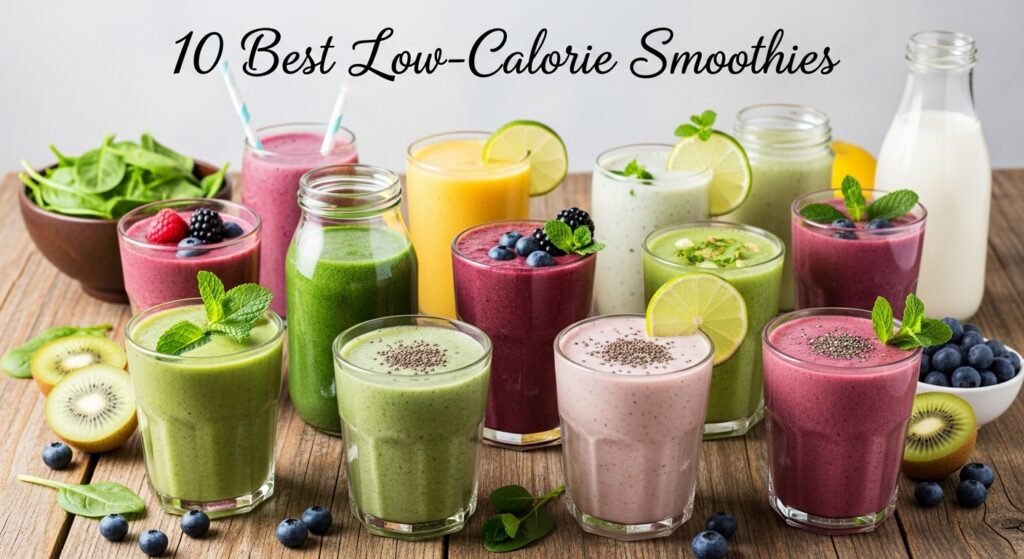
Best 10 Low-Calorie Smoothies Under 200 Calories
1. Berry Spinach Slim Smoothie (~145 Calories)
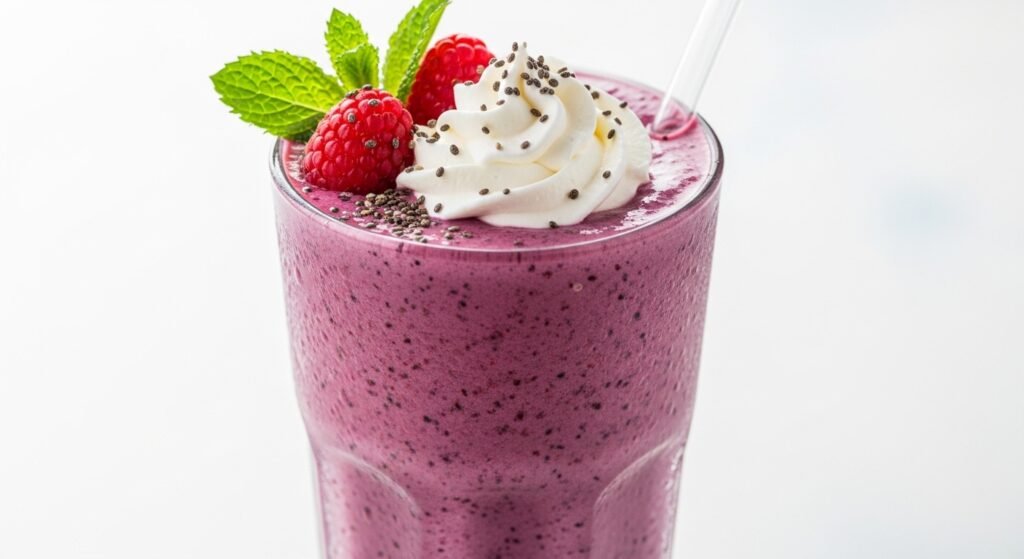
This is a classic “entry-level” green smoothie. The berries mask the taste of the greens completely, making it a favorite for those new to low calorie smoothies.
- Ingredients: 1 cup unsweetened almond milk, 1 cup fresh spinach, 1/2 cup frozen blueberries, 1/2 tablespoon chia seeds.
- Preparation: Blend the spinach and almond milk first to ensure the greens are fully liquefied, then add the berries and seeds.
- Why it works: The high fiber from the spinach and chia seeds creates a “gel” in the stomach that promotes fullness.
- Customization: Add a dash of vanilla extract for a “muffin-like” flavor profile.
2. Green Detox Cucumber Smoothie (~110 Calories)
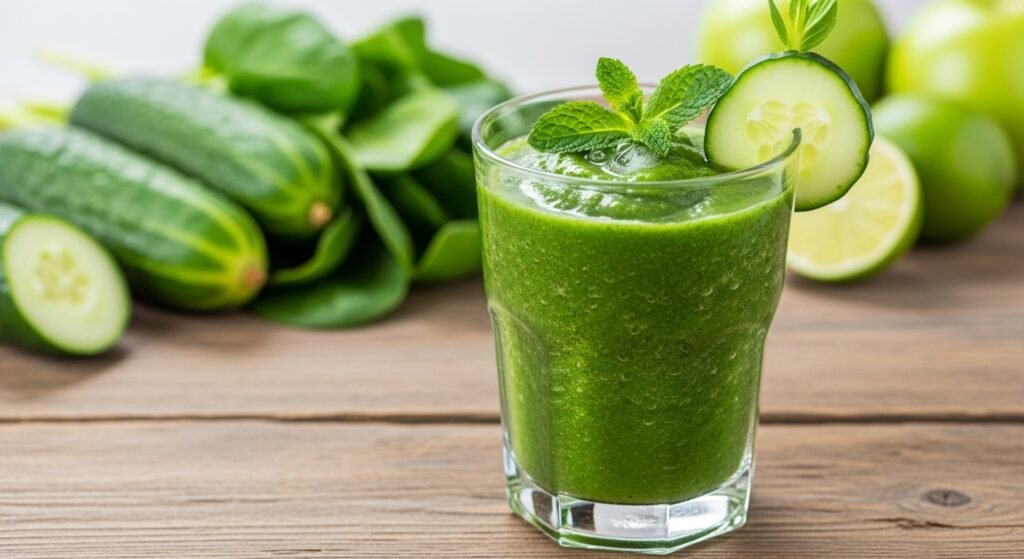
If you are looking for the absolute lowest calorie count possible, this refreshing cucumber-based blend is the winner.
- Ingredients: 1/2 cucumber, 1 stalk celery, 1/2 green apple, 1 cup water, squeeze of lime.
- Preparation: Peel the cucumber if you prefer a smoother texture, then blend all ingredients until frothy.
- Why it works: It is incredibly hydrating. Often, our bodies mistake thirst for hunger, and this low calorie smoothie solves both issues at once.
- Nutritional Highlights: High in Vitamin K and potassium.
3. Strawberry Protein Boost (~185 Calories)
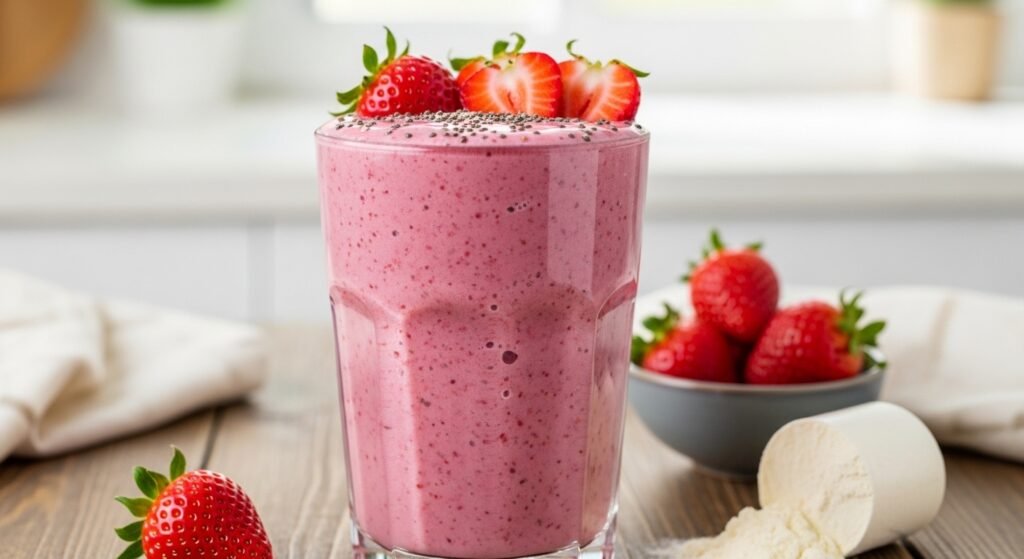
This recipe falls into the category of low calorie high protein smoothies, making it perfect for a post-workout snack.
- Ingredients: 1 cup water, 1/2 scoop vanilla protein powder, 1 cup frozen strawberries, 2 tablespoons Greek yogurt.
- Preparation: Add the liquid first, then the powder, then the fruit to prevent clumping.
- Why it works: The protein and yogurt provide a creamy texture that feels much more indulgent than it actually is.
- Customization: Use frozen raspberries for a tarter flavor.
4. Pineapple Mint Refresher (~130 Calories)
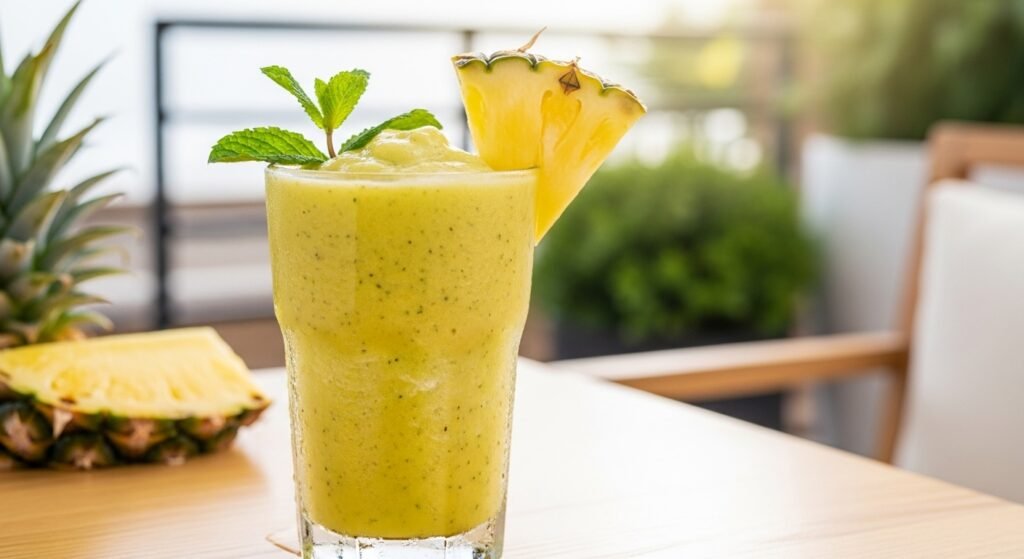
This tropical treat feels like a vacation in a glass. It is a great low calorie fruit smoothie for those who struggle with digestive bloating.
- Ingredients: 1/2 cup fresh pineapple, 1 cup coconut water, 5-6 fresh mint leaves, 1/2 cup ice.
- Preparation: Blend until the mint is finely chopped and the pineapple is smooth.
- Why it works: Pineapple contains bromelain, an enzyme that aids digestion, while mint soothes the stomach.
- Flavor Profile: Bright, tropical, and cooling.
5. Apple Cinnamon Fat Burner (~160 Calories)
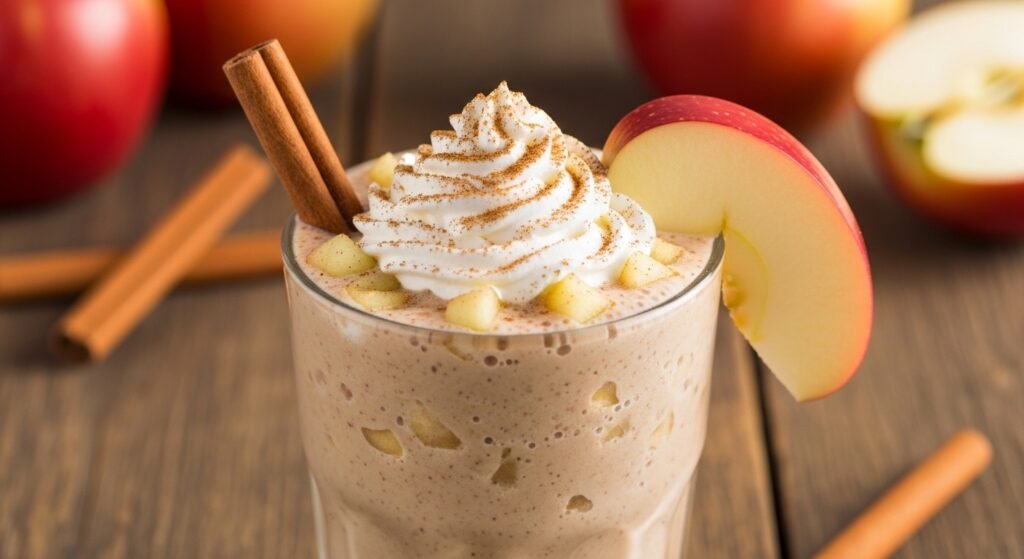
Cinnamon is known for helping to regulate blood sugar, which is essential when you are enjoying a low calorie fruit smoothie.
- Ingredients: 1 small apple (cored), 1 cup unsweetened almond milk, 1/2 teaspoon cinnamon, 1/4 cup rolled oats.
- Preparation: Blend on high to ensure the oats are completely broken down into a flour-like consistency.
- Why it works: The oats provide complex carbohydrates that digest slowly, preventing energy crashes.
- Best for: A light breakfast on the go.
6. Mango Light Smoothie (~155 Calories)
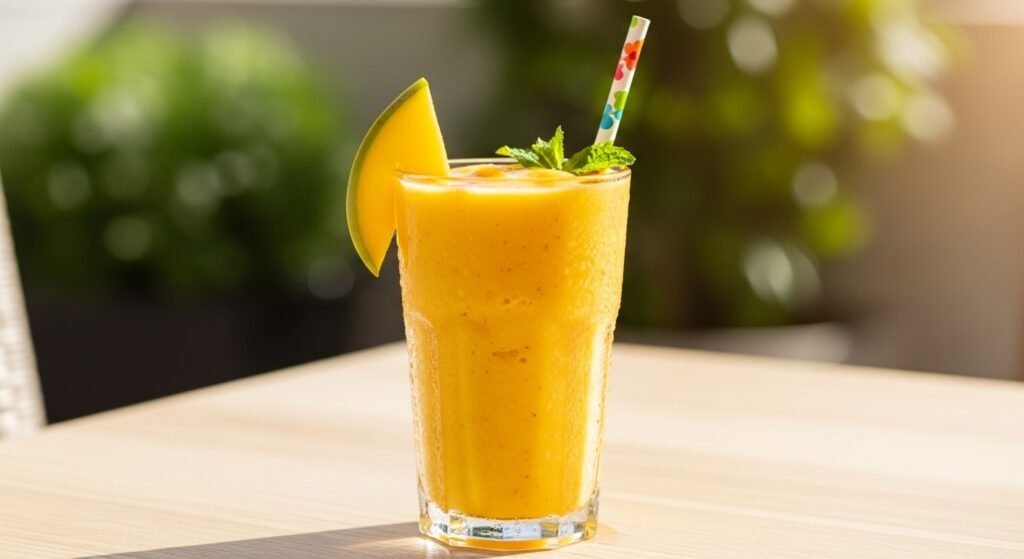
Mango is often considered high-calorie, but when used in moderation, it provides a rich, silky texture to low calorie smoothies.
- Ingredients: 1/2 cup frozen mango chunks, 1 cup water, 1/4 cup plain non-fat yogurt, squeeze of lime.
- Preparation: Combine and blend. The lime juice helps cut through the sweetness of the mango.
- Nutritional Highlights: Rich in Vitamin C and Vitamin A for immune support.
- Customization: Add a pinch of chili powder for a “Mexican-style” kick.
7. Chocolate Banana Protein Lite (~195 Calories)
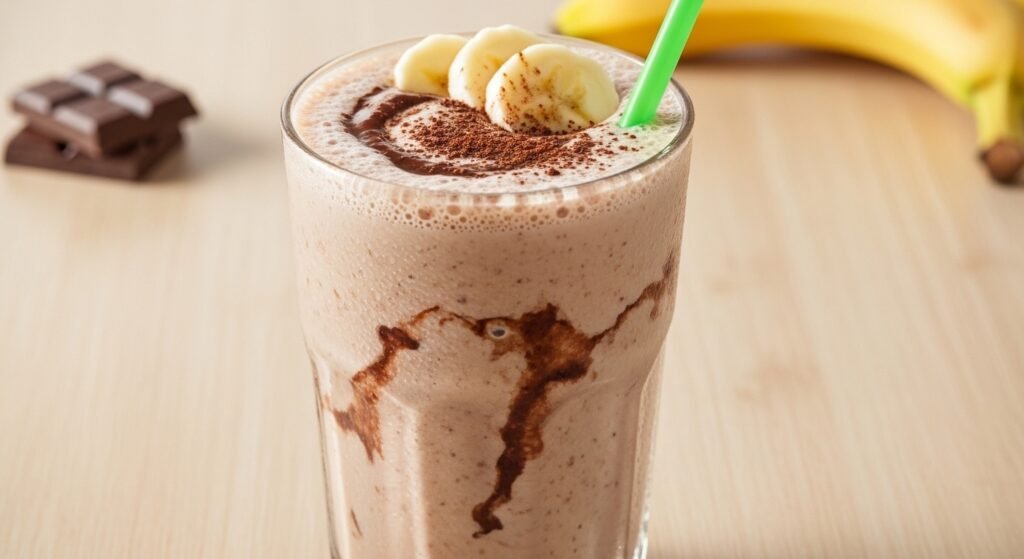
Yes, you can have chocolate while staying under 200 calories. The secret is using unsweetened cocoa powder.
- Ingredients: 1/2 frozen banana, 1 cup unsweetened almond milk, 1 tablespoon unsweetened cocoa powder, 1/4 scoop chocolate protein powder.
- Preparation: Use a very ripe frozen banana for maximum natural sweetness.
- Why it works: It satisfies the craving for a milkshake without the excessive fats and sugars.
- Who it’s for: Anyone with a persistent sweet tooth.
8. Peach Ginger Cleanse (~140 Calories)
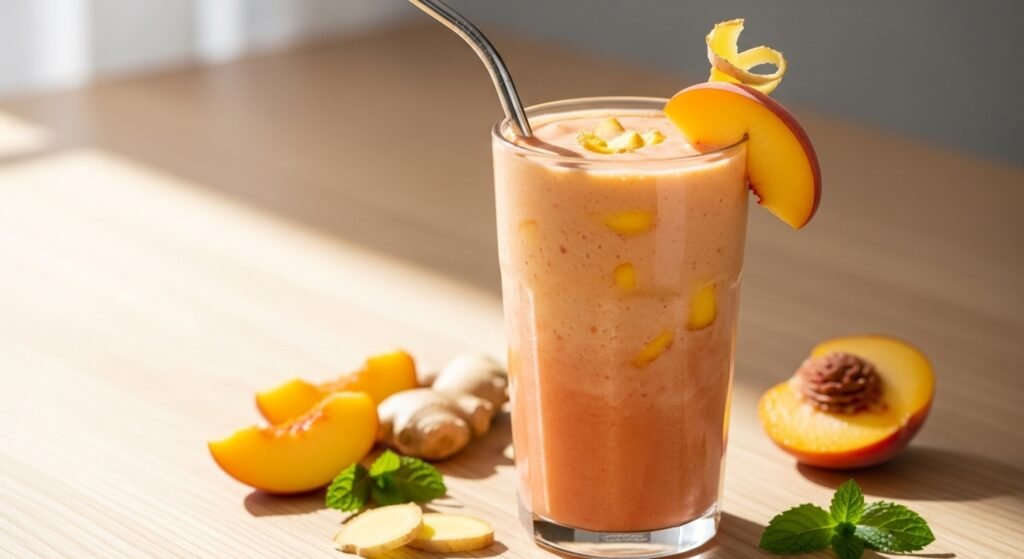
Peach is a high-volume fruit, meaning you get a lot of it for very few calories, perfect for a low calorie smoothie recipe.
- Ingredients: 1 cup frozen peach slices, 1 cup water, 1/2 inch fresh ginger, 1/2 lemon (juiced).
- Preparation: Grate the ginger before blending to ensure no large spicy chunks remain.
- Why it works: Ginger is thermogenic, meaning it slightly raises the body’s temperature and can support metabolic rate.
- Flavor Profile: Sweet, floral, and zesty.
9. Blueberry Oat Slim Blend (~175 Calories)
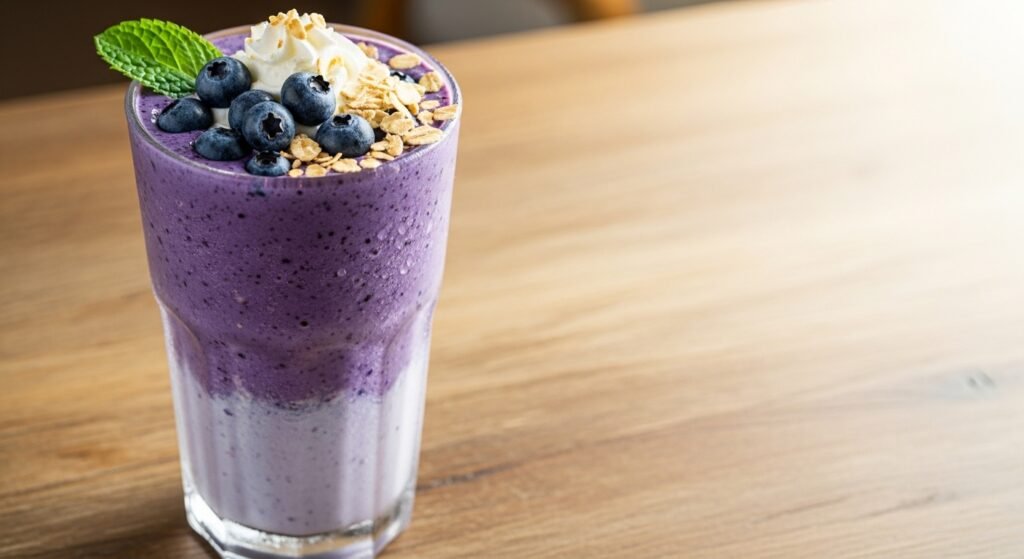
Blueberries are a superfood for the brain, and their inclusion makes this a top-tier low calorie smoothie for mental and physical health.
- Ingredients: 1/2 cup blueberries, 1 tablespoon rolled oats, 1 cup unsweetened soy milk, dash of nutmeg.
- Preparation: Soak the oats in the milk for 5 minutes before blending for a smoother result.
- Why it works: The combination of anthocyanins from berries and fiber from oats is a “longevity” powerhouse.
- Best for: A mid-morning brain boost.
10. Tropical Low-Calorie Energy Smoothie (~150 Calories)
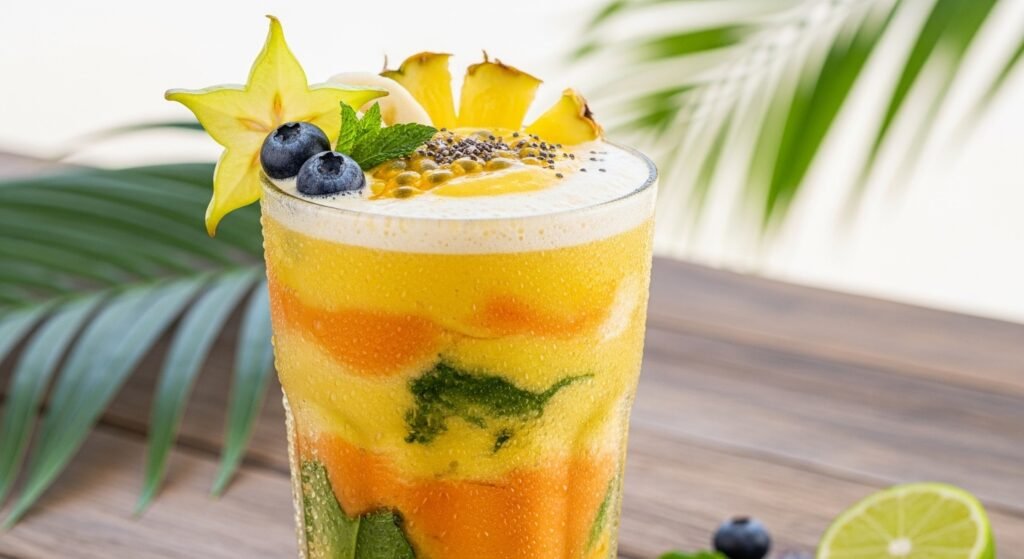
Using coconut water as a base provides essential electrolytes, making this a great low calorie smoothie for rehydration.
- Ingredients: 1/4 cup mango, 1/4 cup pineapple, 1 cup coconut water, 1/2 cup spinach.
- Preparation: Blend the fruit and coconut water first, then add the spinach at the end.
- Nutritional Highlights: High in potassium and magnesium.
- Customization: Add a teaspoon of shredded unsweetened coconut for extra texture.
Low-Calorie High Protein Smoothies vs Fruit-Based Smoothies
When you are looking for low calorie smoothies, you will generally find two types: those focused on fruit and those focused on protein.
Fruit-based smoothies are often lower in calories and higher in immediate vitamins. They are perfect for a quick snack or a pre-workout energy lift. However, because they lack significant protein, they might not keep you full for very long.
In contrast, low calorie high protein smoothies are designed for satiety. Protein triggers the release of hormones that tell your brain you are full. If you are replacing a meal, you should almost always choose a version that includes a protein source like Greek yogurt, tofu, or protein powder. While this might bring you closer to the 200-calorie limit, the extra 40 or 50 calories are worth it for the hours of fullness they provide.
Common Mistakes That Increase Smoothie Calories
Many people start with the intention of making a low calorie smoothie but end up with something that has 500 calories. The most common culprit is nut butter.
While healthy, a single tablespoon of peanut butter adds nearly 100 calories. If you want that nutty flavor, try using a teaspoon or a powdered peanut butter alternative.
Another mistake is using sweetened liquids. “Original” almond milk often has added cane sugar. Always check the label for the “Unsweetened” version. Furthermore, using too much fruit can rack up the sugar quickly.
Stick to the measurements provided in your low calorie smoothie recipe to ensure you don’t accidentally overdo it. Finally, avoid “smoothie bowls” unless you are very careful with toppings like granola and honey, which can triple the calorie count in seconds.
Are Low-Calorie Smoothies Good for Weight Loss?
From a nutritional standpoint, low calorie smoothies are an exceptional tool for weight loss because they address the “volume” issue. Most people struggle with dieting because they feel like they aren’t eating enough.
By drinking a 16-ounce smoothie that is only 150 calories, you are filling your stomach with liquid and fiber, which physically prevents overeating.
However, sustainability is more important than speed. You should not try to live on low calorie smoothies alone. They work best as part of a balanced diet that includes whole, solid foods.
Using them to replace one meal or as a strategic snack can help you maintain a calorie deficit without feeling deprived. It is the total daily caloric intake that matters most for fat loss, not any single “magic” drink.
Who Should Avoid Very Low-Calorie Smoothies?
While low calorie smoothies are generally healthy, they may not be appropriate for everyone. High-performance athletes, for example, often need 3,000 to 4,000 calories a day to support their training.
For them, a 150-calorie drink is simply not enough fuel. Similarly, pregnant or breastfeeding women have increased caloric and nutrient needs and should consult with a doctor before adopting a low-calorie snacking habit.
People with a history of disordered eating should also be cautious. Focusing too heavily on keeping every drink under 200 calories can lead to an obsessive mindset.
It is always better to focus on the quality of the ingredients rather than just the number on the scale. For most healthy adults, however, a low calorie smoothie is a safe and effective way to improve their nutrient intake while managing their weight.
FAQ
Are smoothies under 200 calories filling?
Yes, if they contain high-fiber ingredients like spinach, chia seeds, or oats. Fiber slows gastric emptying, which means the low calorie smoothies stay in your stomach longer, providing a lasting sense of fullness.
Can I replace dinner with a low calorie smoothie?
It is generally better to replace breakfast or lunch. Dinner is often a time for social connection and solid protein. If you do replace dinner, ensure your low calorie smoothie includes protein and healthy fats to prevent late-night snacking.
How much protein should a smoothie have?
For weight management, aim for 15-20 grams of protein. While this is harder to do in low calorie smoothies, using egg whites, Greek yogurt, or a high-quality isolate powder can help you reach that goal without breaking the calorie bank.
Can I drink smoothies every day?
Absolutely. Drinking low calorie smoothies daily is a great way to ensure you are meeting your fruit and vegetable quotas. Just remember to rotate your ingredients to get a diverse range of vitamins and minerals.
Is frozen fruit better than fresh for smoothies?
Frozen fruit is often better for low calorie smoothies because it acts as ice, giving the drink a thicker, more “milkshake-like” texture without needing extra ingredients. Plus, frozen fruit is picked at peak ripeness, preserving its nutrients.
Should I add “boosters” like spirulina or maca?
These are fine to add, but be aware that every “superfood” powder adds calories. For a low calorie smoothie, stick to the basics first and only add extras if you have room in your calorie budget.
Can I make my smoothie ahead of time?
You can, but it may separate. Give it a good shake or a quick re-blend before drinking. For the best flavor and nutrient retention, it is always best to enjoy your low calorie smoothie fresh.
Do I need an expensive blender?
Not necessarily. While high-powered blenders make smoother drinks, a basic blender can handle most low calorie smoothies if you chop the ingredients into smaller pieces and use enough liquid.
Conclusion
Mastering the art of the low calorie smoothie is one of the most effective things you can do for your health in 2026. These drinks provide a bridge between the food we want to eat and the nutrients our bodies need.
By keeping your blends under 200 calories, you create a safety net for your diet, allowing you to enjoy sweet, creamy, and refreshing flavors without any of the guilt or weight gain associated with traditional treats.
The key to success is experimentation. Don’t be afraid to try new combinations or add different spices to your low calorie smoothies. Perhaps you’ll find that a dash of cardamom in your peach smoothie or a hint of cayenne in your chocolate blend is exactly what you need to keep things interesting.
Health is a long-term journey, and having a library of delicious, low-energy-density recipes makes that journey much easier to navigate.
As you begin integrating these recipes into your life, focus on how they make you feel. Do you have more energy in the afternoon? Is it easier to wait for dinner without reaching for a bag of chips?
These are the real markers of success. A low calorie smoothie is more than just a drink; it is a commitment to fueling your body intelligently. Stay consistent, stay curious, and enjoy the process of discovering your new favorite flavors!
Share Your Juice Experience
There are no reviews yet. Be the first one to write one.