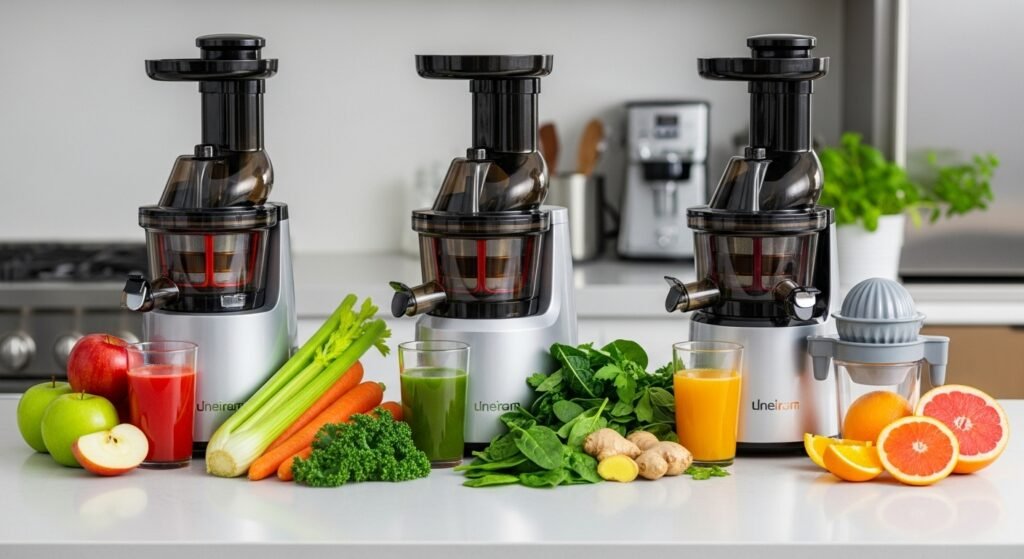
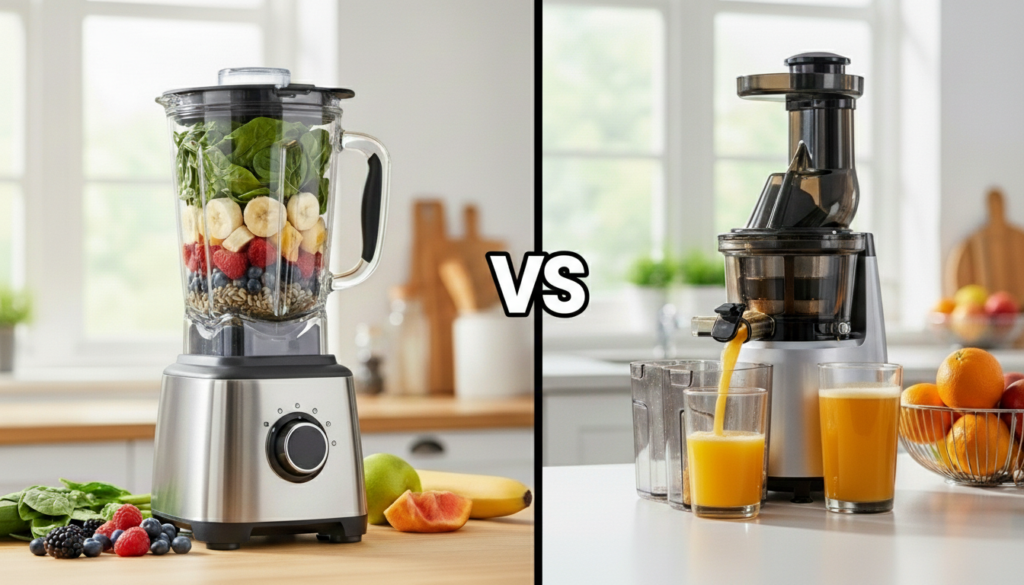
If you want the short version for your busy morning: The blender is generally better for weight loss, while the juicer is often preferred for targeted detox support. A blender keeps the fiber, which makes you feel full and acts as a meal replacement. This is crucial for maintaining a calorie deficit without feeling starved.
A juicer, however, removes the fiber to provide a concentrated shot of vitamins that your body absorbs instantly. This is ideal for a “digestive rest” or a nutrient boost, but less effective for staying full. In the juicer vs blender showdown, your choice depends on whether you want a liquid meal (smoothie) or a liquid supplement (juice).
How Blenders Work
Blenders are high-speed machines that use rotating blades to pulverize whole fruits and vegetables. Unlike other methods, nothing is removed during this process. This means every bit of the plant—the skin, the pulp, and the seeds—ends up in your glass.
Fiber Retention and Weight Loss
The primary reason a blender for weight loss is so effective is fiber. Fiber is the “skeleton” of the plant that our bodies cannot fully digest. It adds bulk to your stomach, which triggers the hormones that tell your brain you are full. In the context of blender vs juicing, the blender wins on satiety every time.
Satiety Benefits
When you drink a blended smoothie, the fiber slows down the absorption of sugar. This prevents the “insulin spike” that often leads to fat storage and energy crashes. If you use your machine to create meal replacement smoothies, you are likely to consume fewer calories throughout the rest of the day.
Best Ingredients for Smoothies
To maximize weight loss, focus on low-sugar ingredients. Think leafy greens (spinach, kale), healthy fats (avocado, chia seeds), and a high-quality protein powder. This turns your drink from a simple snack into a metabolic powerhouse.
How Juicers Work
Juicers work by separating the liquid juice from the solid pulp. Whether using a fast centrifugal machine or a slow cold-press auger, the goal is the same: extraction.
Juice Extraction and Faster Nutrient Absorption
The main appeal of a juicer for detox is the speed of delivery. Because the fiber is removed, your digestive system doesn’t have to work to unlock the nutrients. The vitamins and minerals hit your bloodstream almost immediately. This is often referred to as “liquid sunshine” because of the vibrant energy boost it provides.
Detox and Cellular Health
In the juicing vs blending debate, juicers are often praised for their ability to deliver a massive dose of antioxidants in a single serving. You can juice two pounds of carrots and kale into one glass—something you could never comfortably eat or blend. This “flooding” of the system is what many people refer to when they talk about the detox juice benefits.
Best Produce for Juicing
For a true detox experience, stick to “water-rich” and “earthy” vegetables. Celery, cucumbers, beets, ginger, and lemons are the gold standard. These ingredients support liver function and hydration without overloading your system with fruit sugars.
Juicer vs Blender for Weight Loss
When we look specifically at the juicer vs blender impact on the scale, several factors come into play.
Calories
Smoothies are typically higher in calories because they contain the whole fruit plus any “add-ins” like yogurt or nut butters. However, a juice can be deceptively high in calories if you use too many apples or pineapples. Since you need more produce to fill a glass with juice than a blender jar, the “cost per calorie” is higher in juicing.
Fiber vs. Juice Absorption
As we’ve noted, the fiber vs juice absorption rate is the biggest mechanical difference. Blenders provide a slow, steady release of energy. Juicers provide a rapid spike. For long-term weight loss, the slow release is generally more sustainable for managing cravings.
Fullness and Ease of Use
If you are replacing a meal, a smoothie will keep you full for 3–4 hours. A juice might only keep you satisfied for 30–60 minutes. Regarding ease of use, blenders are almost always faster to clean. Most juicers have 5–7 parts that require scrubbing, which can be a deterrent to daily use.
Juicer vs Blender for Detox Juices
The term “detox” is often surrounded by myths. Let’s clarify the juicer vs blender reality in this area.
Myths vs. Facts
A common myth is that you need to stop eating solid food to detox. The fact is, your liver and kidneys are always detoxing. The detox juice benefits come from providing these organs with the specific micronutrients they need to work efficiently.
Short-term Detox vs. Daily Habits
A 3-day juice cleanse can act as a “palate reset,” helping you stop craving processed sugars. However, for long-term health, a daily green smoothie (blending) is often more effective because it supports gut health through fiber. In the blending vs juicing comparison, juicing is the “sprint” and blending is the “marathon.”
Pros and Cons: Blender vs Juicer
Blender Pros
- Retains Fiber: Keeps you full and supports gut health.
- Versatile: Can make soups, nut butters, and frozen desserts.
- Easy Cleanup: Most jars are self-cleaning with a drop of soap and water.
- Cost-Effective: Uses less produce to make a full serving.
Blender Cons
- Texture: Some people don’t like thick or “pulpy” drinks.
- Oxidation: High-speed blades can introduce heat and air.
Juicer Pros
- Nutrient Density: Concentrates a massive amount of vitamins.
- Easy Digestion: Gives the gut a break from processing bulk.
- Pure Flavor: Delivers a crisp, refreshing taste without the thickness.
Juicer Cons
- Zero Fiber: Can lead to blood sugar spikes if using fruit.
- Waste: You end up with a lot of pulp that often gets thrown away.
- Cleanup: Generally more time-consuming to disassemble and wash.
Best Blenders for Weight Loss & Smoothies
1. Vitamix 5200 Professional-Grade Blender
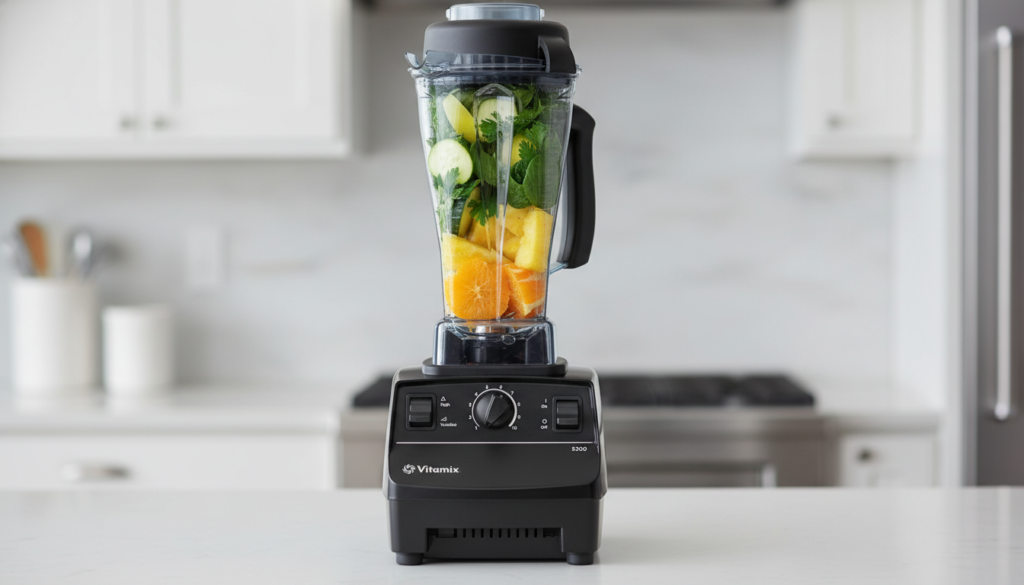
The Vitamix 5200 is widely considered the “Gold Standard” in the juicer vs blender equipment world. It features a 64-ounce container and a powerful motor that can pulverize even the toughest kale stems and frozen berries.
- Performance: Unmatched for smooth textures; can even heat soup through friction.
- Best Use Case: Heavy daily users who want the smoothest possible smoothies.
- Pros: 7-year warranty, extremely durable, variable speed control.
- Cons: Very tall (may not fit under cabinets), expensive.
- Who should buy it: Serious enthusiasts looking for a “forever” machine.
2. Ninja Professional Plus Blender with Auto-iQ
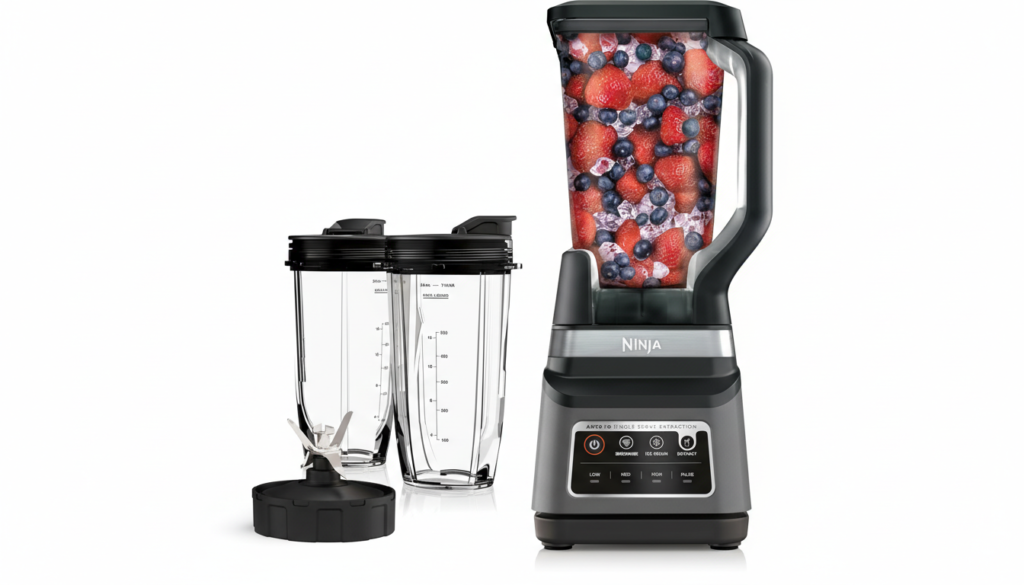
Ninja is the king of value. The Professional Plus features a 1200-watt motor and “Total Crushing” blades that turn ice into snow in seconds.
- Performance: Great for frozen drinks and high-volume blending.
- Best Use Case: Families on a budget who need a large pitcher.
- Pros: Affordable, smart programs (Auto-iQ), dishwasher safe.
- Cons: Blades are extremely sharp (careful when cleaning), noise level is high.
- Who should buy it: Families looking for a powerful, budget-friendly option.
3. NutriBullet Pro 900 Personal Blender
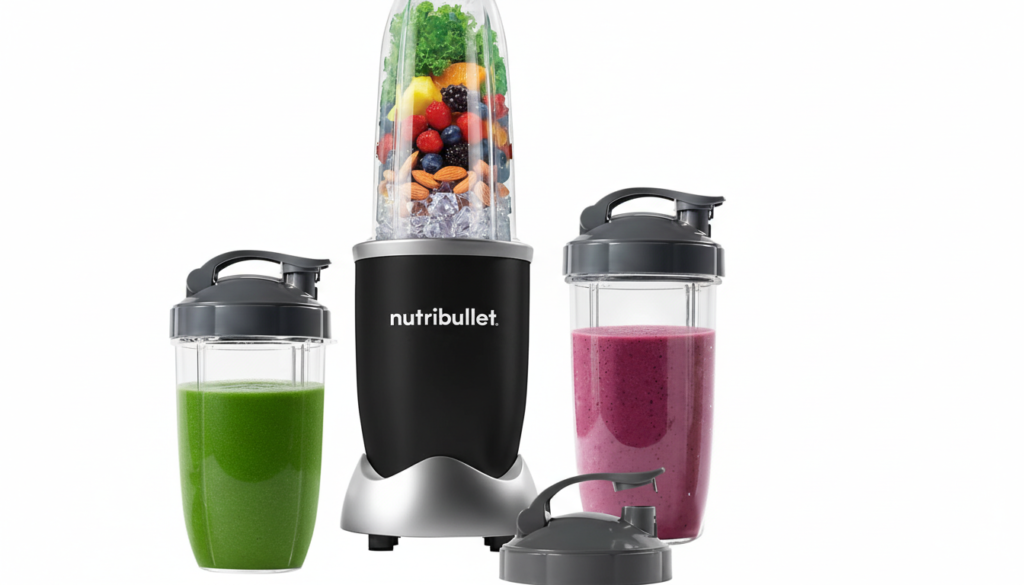
If you have a busy lifestyle, the NutriBullet Pro 900 is the ultimate “blend-and-go” machine. It’s compact but surprisingly powerful with a 900-watt motor.
- Performance: Excellent for single-serve smoothies.
- Best Use Case: Commuters and office workers.
- Pros: Small footprint, easy to use, portable cups.
- Cons: Not suitable for large batches or tough ingredients like dry nuts.
- Who should buy it: Individuals who only make single servings.
4. Beast Mega 1200 Blender
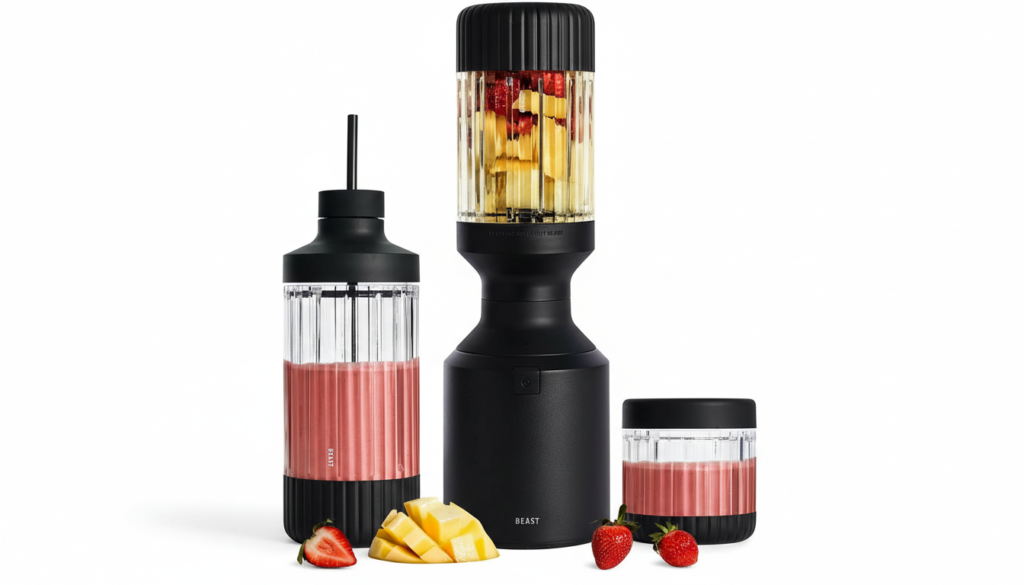
The Beast is a 2026 favorite for its sleek design and ultra-smooth results. It uses electronic sensors to adjust blade speed based on the load.
- Performance: High-end results with a boutique aesthetic.
- Best Use Case: Style-conscious users who want a quiet, powerful blend.
- Pros: Quiet operation, beautiful design, high build quality.
- Cons: Lower capacity than full-sized pitchers.
- Who should buy it: Users who value both form and function.
5. KitchenAid K400 Variable Speed Blender
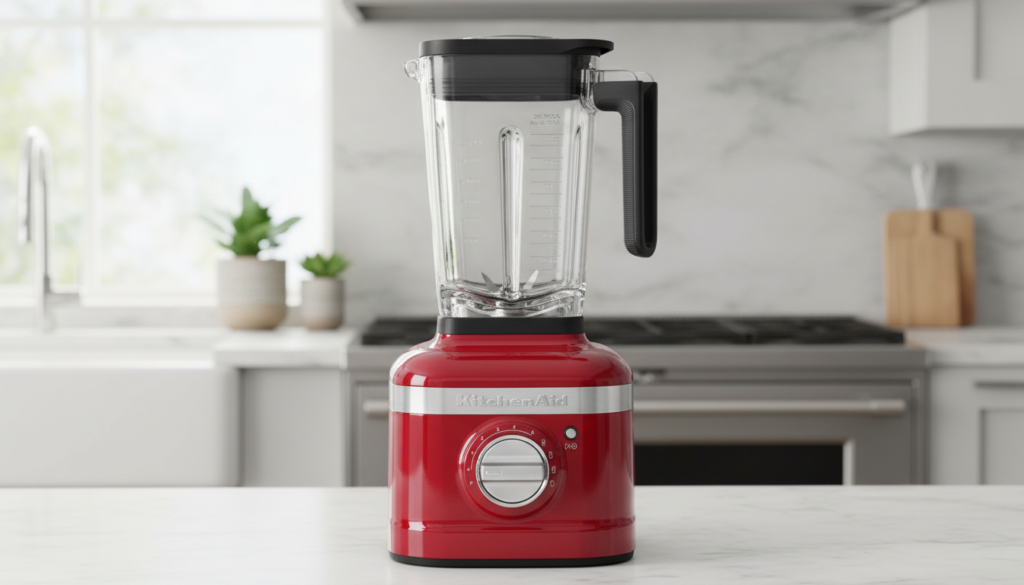
This blender is built like a tank. It features a die-cast metal base and a unique asymmetric blade that pulls ingredients into the blending vortex.
- Performance: Excellent for tough ingredients like ginger and frozen fruit.
- Best Use Case: Daily smoothie drinkers who want a sturdy, reliable machine.
- Pros: Very stable on the counter, soft-start feature, 5-year warranty.
- Cons: Heavy to move around.
- Who should buy it: People who want a professional feel at a mid-range price.
Best Juicers for Detox & Fresh Juice
1. Omega Cold Press Masticating Juicer
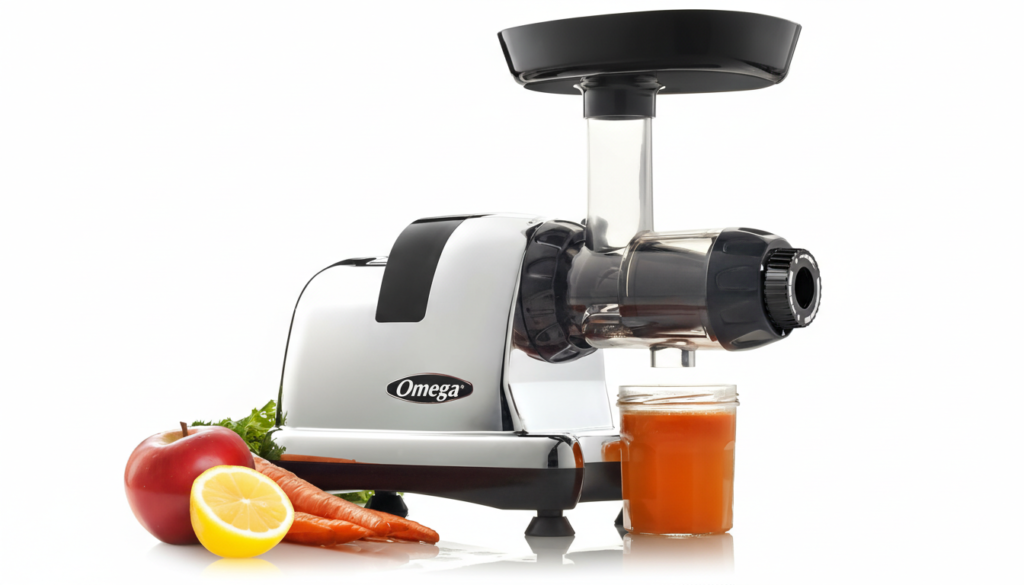
The Omega is a legend in the juicer vs blender world for its slow, 80 RPM speed that prevents heat buildup and preserves enzymes.
- Type: Slow Masticating (Cold Press).
- Juice Quality: Extremely high yield with very dry pulp; juice lasts up to 72 hours.
- Pros: Quiet, 15-year warranty, excellent for leafy greens.
- Cons: Small feed chute requires more prep work (chopping).
- Who should buy it: Wellness purists focused on juice quality.
2. Breville Juice Fountain Cold Plus
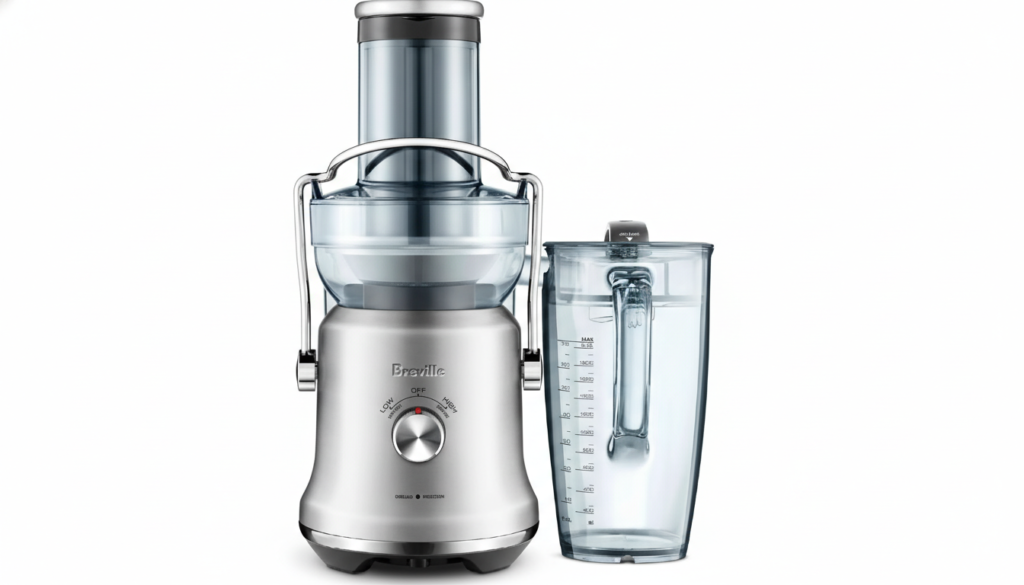
If you hate prep work, this centrifugal juicer features a massive 3.5-inch chute that fits whole apples.
- Type: Centrifugal.
- Juice Quality: Crisp and clean, though it should be consumed quickly.
- Pros: Fast (juices a whole apple in seconds), easy to assemble.
- Cons: Noisier than cold press models, not as efficient with leafy greens.
- Who should buy it: Busy people who want fresh juice without the wait.
3. Nama J2 Cold Press Juicer
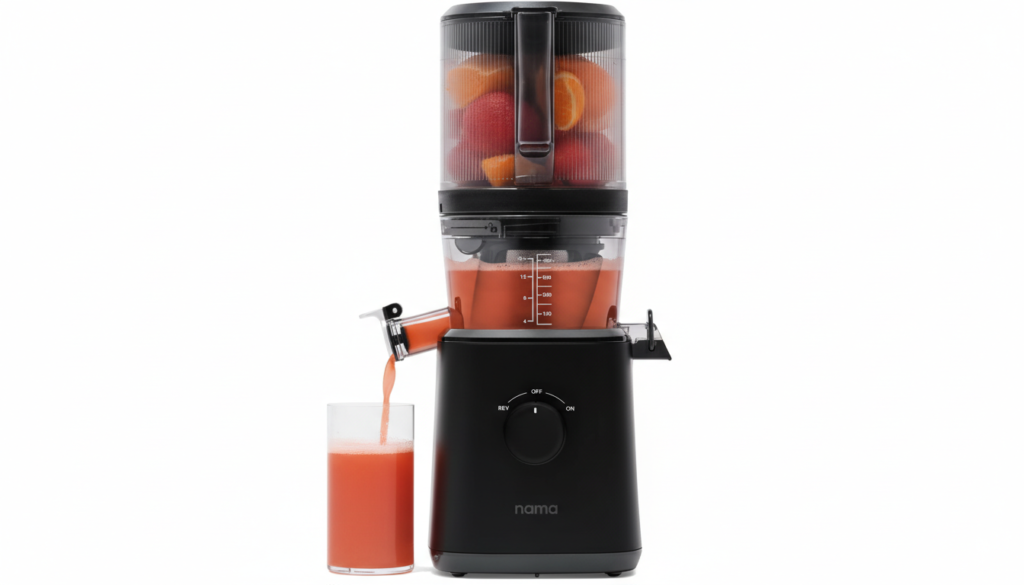
The Nama J2 has revolutionized juicing in 2026 with its “hands-free” hopper. You can load it up, turn it on, and walk away.
- Type: Vertical Cold Press.
- Juice Quality: Premium, pulp-free, and high yield.
- Pros: Saves time, sleek design, very easy to clean.
- Cons: Very expensive, high demand often leads to backorders.
- Who should buy it: Those who want the best cold-press tech with minimal effort.
4. Ninja NeverClog Cold Press Juicer
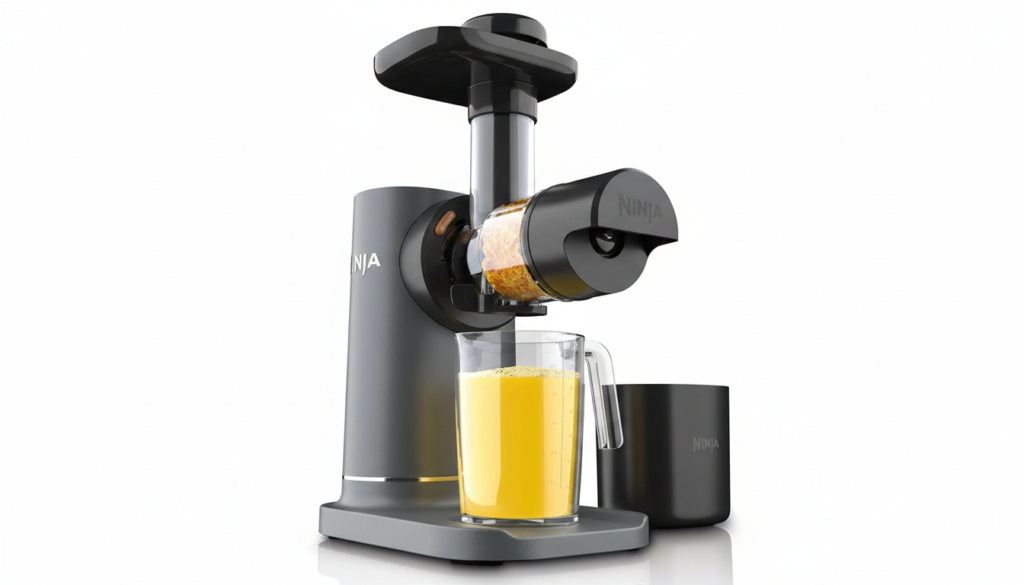
Ninja’s entry into the cold press market focuses on solving the biggest juicing complaint: clogging.
- Type: Masticating.
- Juice Quality: Consistent and smooth.
- Pros: Compact, affordable for a cold press, very easy to clean.
- Cons: Small juice container, plastic-heavy construction.
- Who should buy it: Beginners who want cold-press quality on a budget.
5. Hurom H300 Easy Clean Slow Juicer
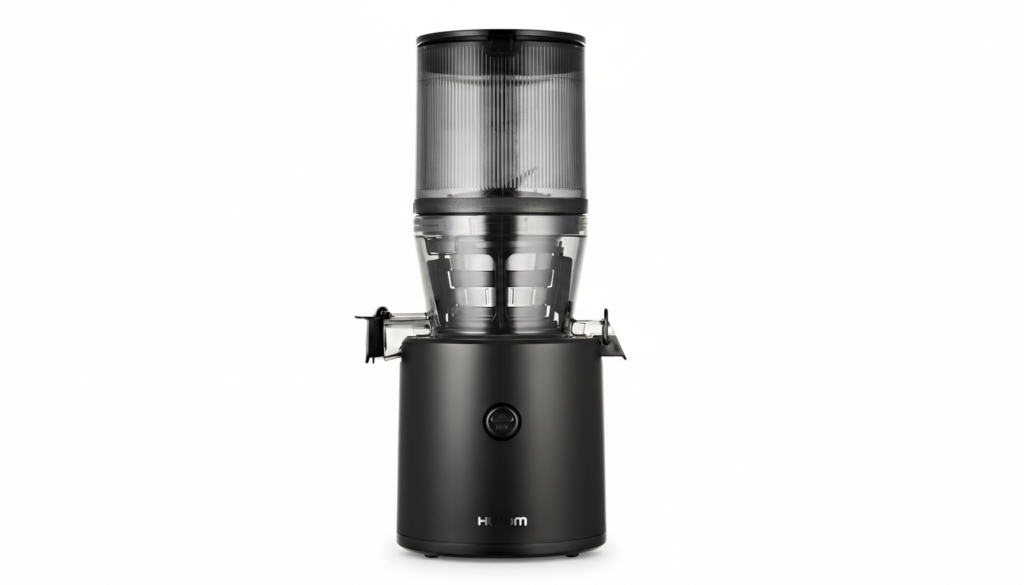
Hurom is known for innovation, and the H300 features an “All-in-One” auger that replaces multiple internal parts, making cleanup faster than ever.
- Type: Slow Masticating.
- Juice Quality: Rich, vibrant, and full of nutrients.
- Pros: Minimal parts to clean, quiet, self-feeding technology.
- Cons: Premium price tag.
- Who should buy it: Users who find juicer cleanup to be their biggest hurdle.
Blender or Juicer: Which One Should YOU Choose?
When deciding on a juicer vs blender, consider these three scenarios:
The Busy Lifestyle: If you have 10 minutes in the morning, a blender is your best bet. You can throw in a handful of spinach, a scoop of protein, and a frozen banana, and have a complete meal ready to go.
The Weight Loss Goal: Choose the blender. You need the fiber to stay in a calorie deficit without feeling like you are starving. Smoothies vs juice nutrition shows that fiber is the key to managing hunger hormones.
The Detox Goal: If you are already eating a healthy diet and want to add a “supplement” of pure nutrients, a juicer is the way to go. It provides a level of nutrient concentration that a blender simply cannot match.
Common Mistakes People Make When Choosing
- Expecting Miracles: Neither a juicer vs blender will fix a poor diet. They are tools to enhance a healthy lifestyle, not a replacement for it.
- Ignoring Fiber Needs: People often start juicing for weight loss and find themselves hungrier than ever because they’ve removed the fiber.
- Buying the Wrong Machine: Don’t buy a $600 juicer if you hate cleaning. You will use it twice and then leave it in the cupboard. Be honest about your habits.
FAQ
Is a blender or juicer better for weight loss?
A blender is typically better for weight loss because it retains fiber, which increases satiety and helps you maintain a calorie deficit more easily than juice.
Can you detox with smoothies?
Yes. Smoothies provide the antioxidants needed for detox while also supplying fiber, which is essential for the body’s natural elimination processes.
Do juicers remove fiber?
Yes, juicers separate the liquid juice from the fibrous pulp. While this makes nutrients easier to absorb, it removes the digestive benefits of whole-food fiber.
Is juicing safe every day?
Juicing is safe as part of a balanced diet. However, replacing all meals with juice is not recommended as it lacks protein, healthy fats, and essential fiber.
Which is easier to clean: juicer vs blender?
A blender is almost always easier to clean. Most high-speed blenders have a self-cleaning mode, whereas juicers require manual disassembly.
Can I make juice in a blender?
Yes, you can blend your produce and then strain it through a nut milk bag. This is a common way for people to test the waters of juicing before buying a dedicated machine.
Is juicing vs blending better for blood sugar?
Blending is better for blood sugar management because the fiber slows down the absorption of fruit sugars, preventing rapid insulin spikes.
Does a juicer or blender save more money?
A blender is more cost-effective because it uses 100% of the produce you buy, whereas a juicer discards a significant portion as pulp.
Disclaimer
The content provided in this article is for informational and educational purposes only and is not intended as medical advice. Neither blenders nor juicers should be used to diagnose, treat, or cure any disease. Always consult with a physician or a registered dietitian before making significant changes to your diet or starting a “detox” program.
Disclosure: This article contains affiliate links. If you click on a link and make a purchase, we may receive a small commission at no extra cost to you. This helps us continue to provide high-quality, free content.
Conclusion
Navigating the juicer vs blender debate in 2026 ultimately comes down to your personal health philosophy. There is no “wrong” choice, only the choice that best fits your current goals. If you are struggling with hunger and want a convenient way to eat more greens, a high-quality blender will be your most loyal ally. It offers the versatility of meal replacements and the metabolic support of dietary fiber.
However, if you are looking to elevate your nutrient intake and want a refreshing, concentrated shot of energy that bypasses digestive hurdles, a juicer is a fantastic investment. The key to success with either machine is consistency and realistic expectations. Weight loss and detoxification are long-term journeys built on daily habits, not one-week miracles.
As you consider the products reviewed here—from the powerhouse Vitamix to the efficient Nama J2—remember that the best machine is the one that stays on your counter, not in your cabinet. By choosing a device that aligns with your lifestyle and cleaning tolerance, you are taking a definitive step toward a more vibrant, healthier version of yourself. In the final count of the juicer vs blender battle, the true winner is the person who commits to the habit.