By 2026, the global relationship with caffeine is expected to undergo a significant transformation. While coffee has long been the default morning stimulant, more people are recognizing the downsides of the “caffeine crash” cycle.
As we prioritize metabolic health and mental clarity, the search for a sustainable energy juice has become a central part of the modern wellness journey. People are no longer looking for a quick jolt; they are looking for functional fuel that supports the body’s natural rhythms.
Replacing your morning brew with a high-quality energy juice isn’t just about avoiding jitters. it is about providing your cells with the micronutrients they need to produce ATP—the body’s actual currency of power.
In 2026, we understand that true vitality comes from nourishment, not just stimulation. An energy juice offers a complex profile of vitamins, minerals, and antioxidants that coffee simply cannot provide.
This guide explores the most effective liquid alternatives to caffeine. We will dive into the science of plant-based fuel and provide easy recipes that you can make in your own kitchen.
Whether you are a high-performing professional or a busy parent, finding the right energy juice can revolutionize your morning routine and keep you productive throughout the day without the mid-afternoon slump.
Why People Are Replacing Coffee with Natural Juices
Energy vs. Stimulation
In the past, we often confused stimulation with energy. Coffee works by blocking adenosine receptors in the brain, essentially “hiding” your tiredness from you. In contrast, an energy juice provides real caloric and nutrient-based fuel.
Instead of a temporary spike followed by a crash, these juices offer a gentle rise in alertness that feels more like a natural wakefulness.
Hydration and Micronutrients
Coffee is a diuretic, which can lead to mild dehydration if not balanced with water. On the other hand, juices are inherently hydrating.
When you consume juices for energy, you are delivering structured water directly to your tissues along with essential electrolytes like potassium and magnesium. This hydration is a key component of feeling truly awake and focused.
AdSense-Safe Wellness
It is important to note that switching to juices is a lifestyle choice intended to support overall wellbeing. While many people report feeling significantly better after reducing their caffeine intake.
These beverages are not intended to treat chronic fatigue or medical conditions. They are a natural, helpful part of a balanced 2026 diet focused on whole foods.
How Energy Juices Provide Sustainable Energy
Natural Carbohydrates
Unlike the refined sugars found in commercial energy drinks, a homemade energy juice contains natural fructose and glucose.
These are often paired with phytonutrients that help the body process the sugar more effectively, preventing the sharp insulin spikes associated with “sugar crashes.”
Vitamins and Minerals
The B-vitamin complex is essential for converting food into energy. Many of the ingredients used in energy juices are rich in B6, B12 (from fortified additions), and folate. Additionally, Vitamin C helps with iron absorption, which is critical for oxygen transport in the blood—a fundamental requirement for feeling energetic.
Slow, Steady Energy Release
By combining different types of produce—such as leafy greens with root vegetables—you create a juice energy profile that is absorbed at different rates. This variety ensures that your brain and muscles receive a steady stream of nutrients over several hours, rather than a single 30-minute burst.
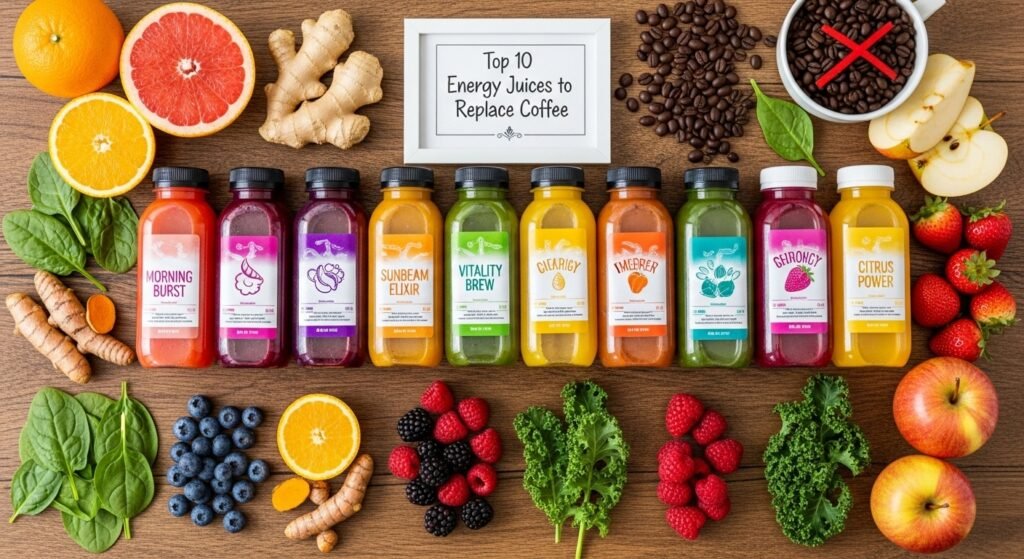
Best 10 Energy Juices to Replace Coffee
1. The Beetroot Power Surge
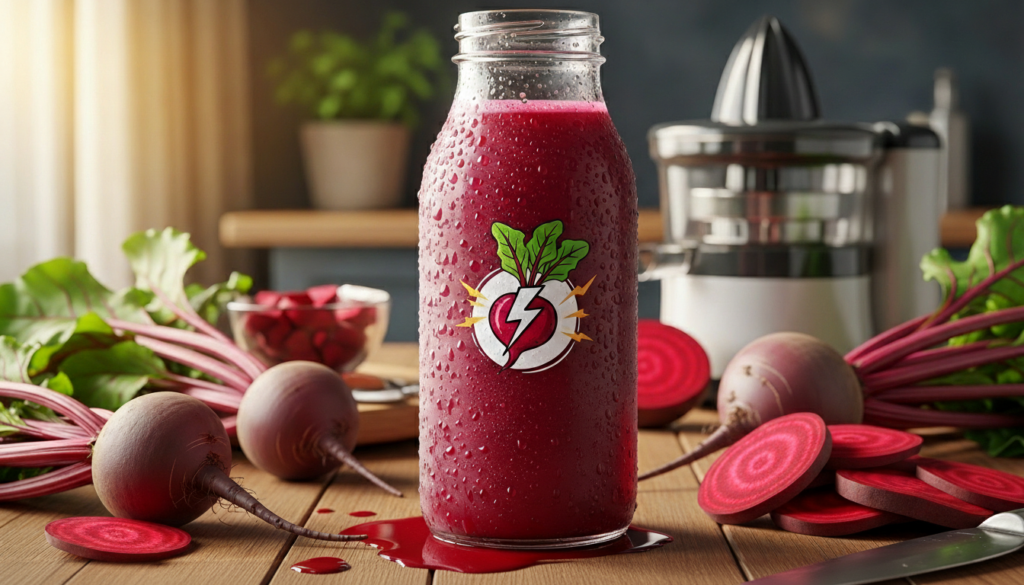
This is perhaps the most potent energy juice for those who need a physical boost. Beets are high in natural nitrates, which the body converts into nitric oxide.
- Why it boosts energy naturally: Nitric oxide helps relax and dilate blood vessels, improving oxygen delivery to the brain and muscles.
- Flavor Profile: Earthy, sweet, and deeply rich.
- Key Benefits:
- Increases stamina and endurance.
- Supports healthy blood pressure.
- Enhances cognitive focus.
- Who should drink it: Athletes and those with physically demanding jobs.
- Simple Home Recipe: 1 large beet + 2 carrots + 1 apple.
- Best time to drink: 30 minutes before your most demanding task.
2. The Zesty Ginger Morning Wake-Up
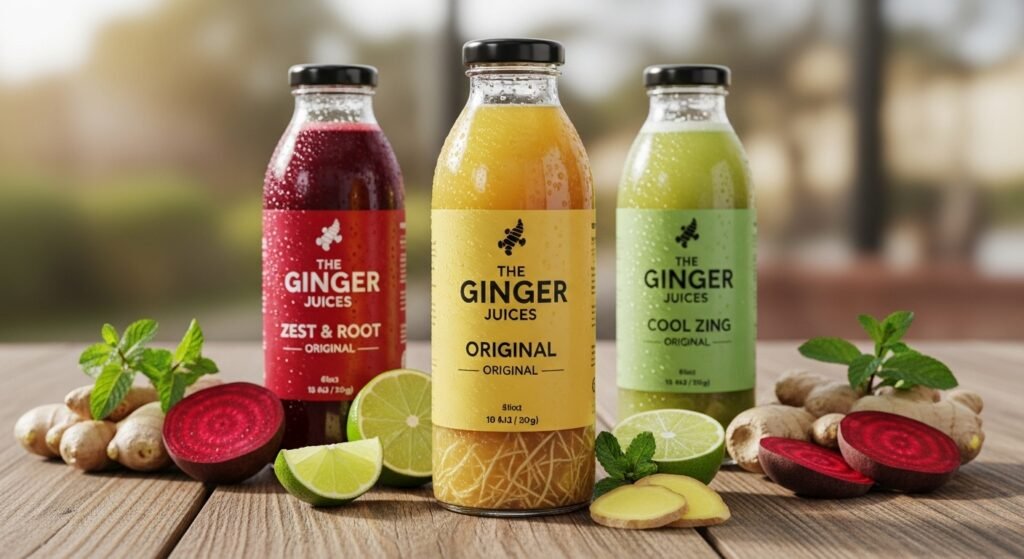
If you miss the “kick” of a strong espresso, this energy juice is for you. Ginger provides a natural heat that stimulates the senses immediately.
- Why it boosts energy naturally: Ginger stimulates circulation and aids digestion, which can prevent the sluggishness associated with a slow gut.
- Flavor Profile: Spicy, bright, and sharp.
- Key Benefits:
- Immediate sensory alertness.
- Anti-inflammatory properties.
- Boosts metabolism.
- Who should drink it: Those who struggle to wake up in the morning.
- Simple Home Recipe: 2 stalks of celery + 1 lemon + 2 inches of fresh ginger.
- Best time to drink: First thing in the morning on an empty stomach.
3. The Green Goddess Vitality Blend
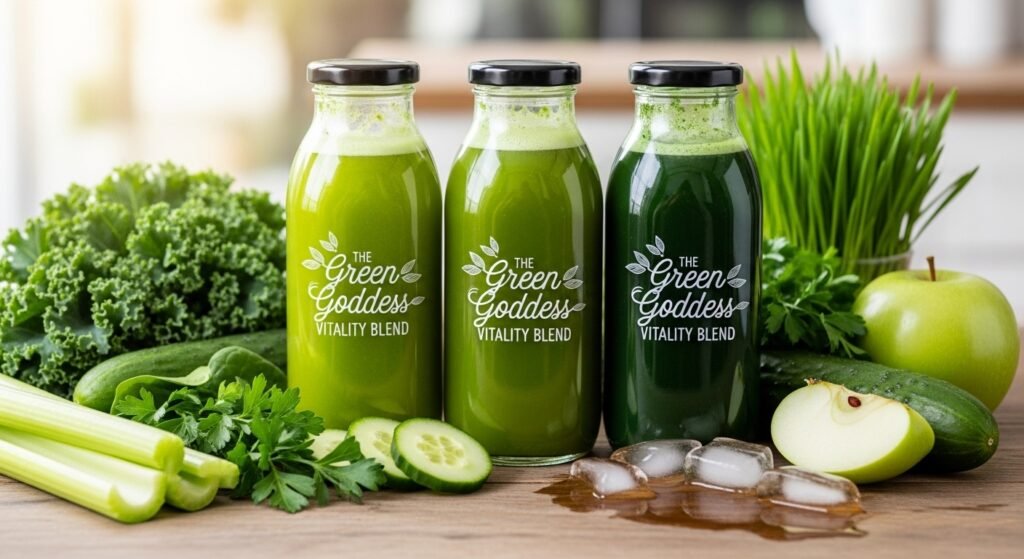
This is one of the best juice recipes for energy because it utilizes the power of chlorophyll. Leafy greens are the foundation of any long-term energy strategy.
- Why it boosts energy naturally: Spinach and kale are high in iron and magnesium, which are essential for cellular energy production.
- Flavor Profile: Fresh, herbal, and slightly sweet.
- Key Benefits:
- Deep cellular nourishment.
- High antioxidant content.
- Supports liver detoxification.
- Who should drink it: Office workers who need sustained mental focus.
- Simple Home Recipe: 2 cups of spinach + 1 cucumber + 1 green apple + a squeeze of lime.
- Best time to drink: Mid-morning to maintain focus.
4. The Citrus Electrolyte Replenisher
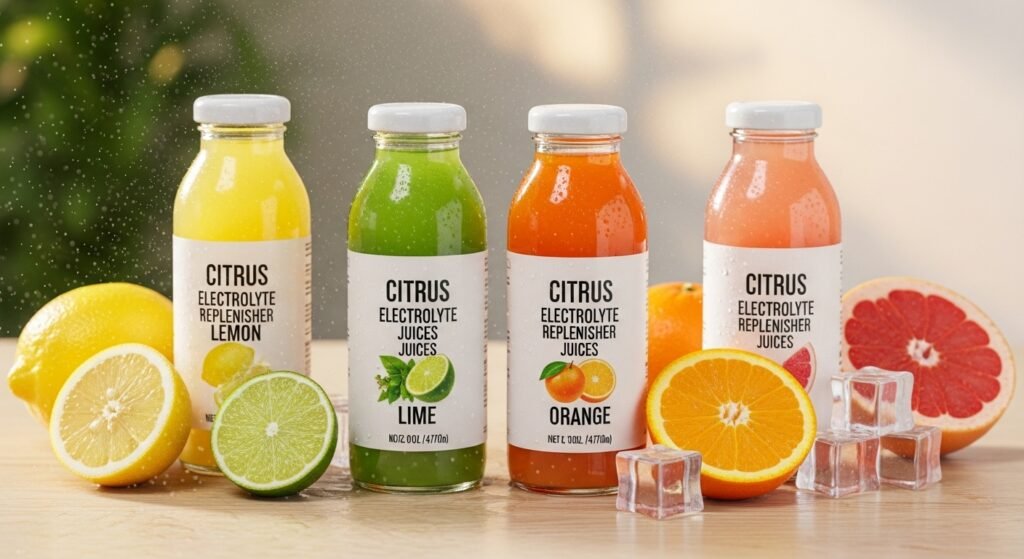
When you need a light and refreshing energy juice, citrus fruits are the perfect choice. They are packed with Vitamin C and potassium.
- Why it boosts energy naturally: Vitamin C reduces oxidative stress and helps the adrenal glands function properly, preventing burnout.
- Flavor Profile: Tart, sweet, and bubbly (if mixed with a little sparkling water).
- Key Benefits:
- Instant hydration.
- Immune system support.
- Improves skin radiance.
- Who should drink it: Those living in hot climates or anyone feeling dehydrated.
- Simple Home Recipe: 2 oranges + 1 grapefruit + a pinch of sea salt.
- Best time to drink: After a morning workout.
5. The Pineapple & Turmeric Inflammation Fighter

Inflammation is a major energy thief. This energy juice helps fight the silent fatigue caused by internal stress.
- Why it boosts energy naturally: Bromelain in pineapple and curcumin in turmeric reduce systemic inflammation, freeing up your body’s energy.
- Flavor Profile: Tropical, sweet, and slightly musky.
- Key Benefits:
- Reduces joint and muscle soreness.
- High in manganese for bone health.
- Tropical flavor that boosts mood.
- Who should drink it: People with high-stress lifestyles or chronic aches.
- Simple Home Recipe: 2 cups of pineapple chunks + 1 inch of turmeric root + a pinch of black pepper (to activate the turmeric).
- Best time to drink: Lunchtime to prevent the afternoon slump.
6. The Carrot & Maca Root Adaptogen
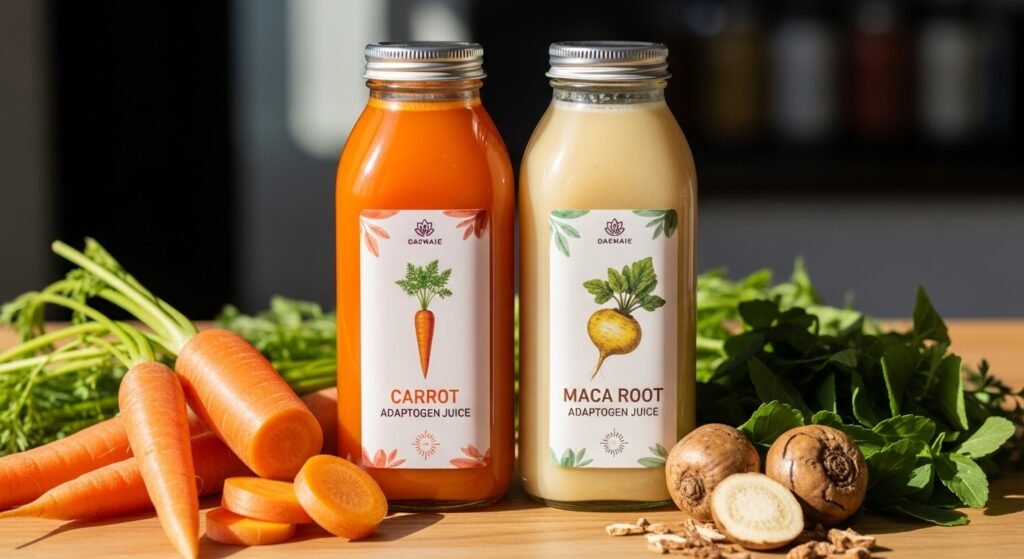
Adding adaptogens to your energy juice is a 2026 trend that helps the body handle stress. Maca is a traditional Peruvian root known for vitality.
- Why it boosts energy naturally: Maca helps balance hormones and supports the endocrine system for more stable energy.
- Flavor Profile: Malty, sweet, and creamy.
- Key Benefits:
- Balances mood and libido.
- Rich in Vitamin A for eye health.
- Very filling and satisfying.
- Who should drink it: Those dealing with hormonal imbalances or high mental stress.
- Simple Home Recipe: 4 carrots + 1 tablespoon of maca powder + 1 apple.
- Best time to drink: Afternoon when cravings hit.
7. The Pomegranate Brain Fuel
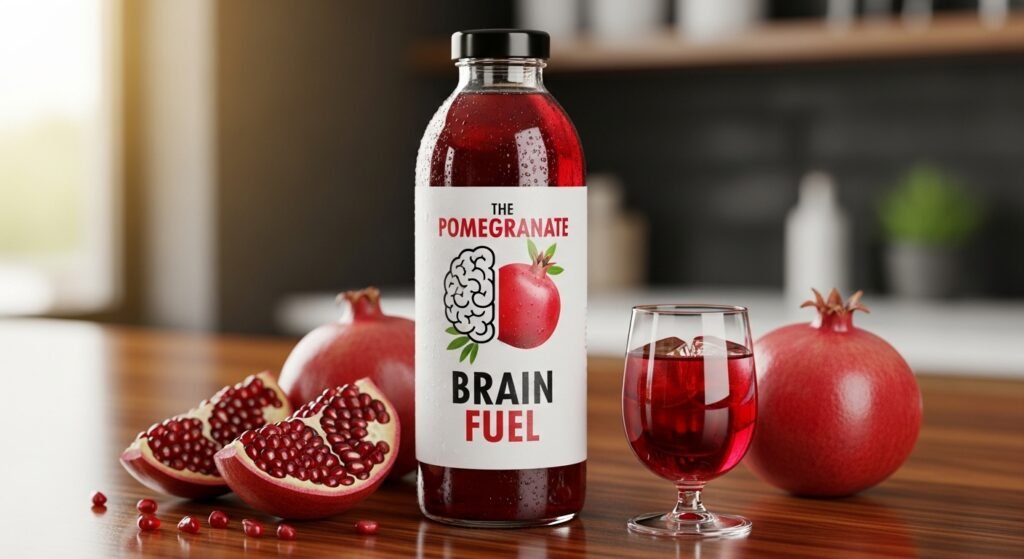
Pomegranates are a superfood for the brain, making this a premier energy juice for cognitive performance.
- Why it boosts energy naturally: Pomegranates contain polyphenols that can cross the blood-brain barrier to protect neurons.
- Flavor Profile: Tart, astringent, and complex.
- Key Benefits:
- Enhances memory and verbal recall.
- Powerful heart health support.
- Very high in Vitamin K.
- Who should drink it: Students, writers, and creative professionals.
- Simple Home Recipe: 1 cup of pomegranate seeds (juiced) + 1/2 cup of blueberries.
- Best time to drink: During a long study or work session.
8. The Spirulina Super-Green Shot
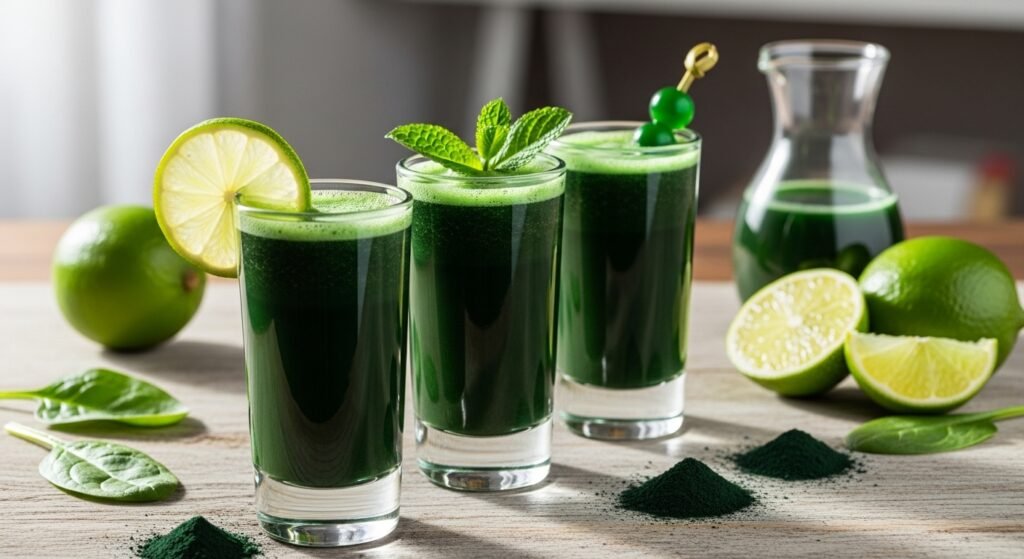
If you want the most nutrient-dense energy juice possible, adding algae like spirulina is the way to go.
- Why it boosts energy naturally: Spirulina is 60% protein by weight and contains a full spectrum of amino acids.
- Flavor Profile: Intense, savory, and very “green.”
- Key Benefits:
- High protein for a juice.
- Bioavailable iron.
- Supports gut microbiome health.
- Who should drink it: Vegans and vegetarians looking for an extra nutrient boost.
- Simple Home Recipe: 2 stalks of celery + 1 cucumber + 1 teaspoon of high-quality spirulina powder.
- Best time to drink: Mid-afternoon for a second wind.
9. The Watermelon & Mint Recovery
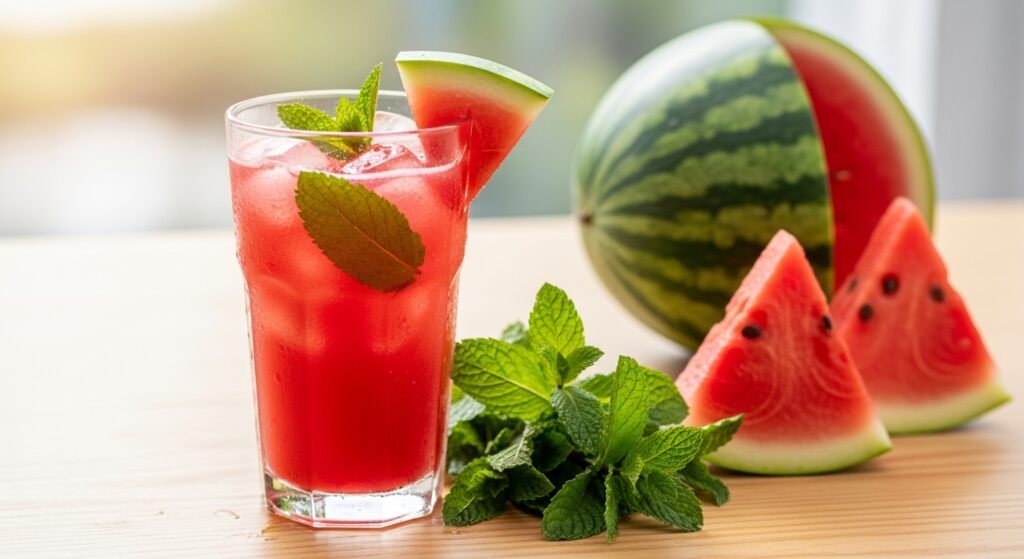
Watermelon is more than just water; it is a functional energy juice that helps with muscle recovery.
- Why it boosts energy naturally: It contains L-citrulline, an amino acid that helps reduce muscle fatigue.
- Flavor Profile: Sweet, cooling, and crisp.
- Key Benefits:
- High lycopene for heart health.
- Very low calorie but high volume.
- Deliciously refreshing.
- Who should drink it: Weekend warriors and gym-goers.
- Simple Home Recipe: 3 cups of watermelon (no rind) + a handful of fresh mint.
- Best time to drink: Immediately following physical exertion.
10. The Apple & Wheatgrass Cleanse
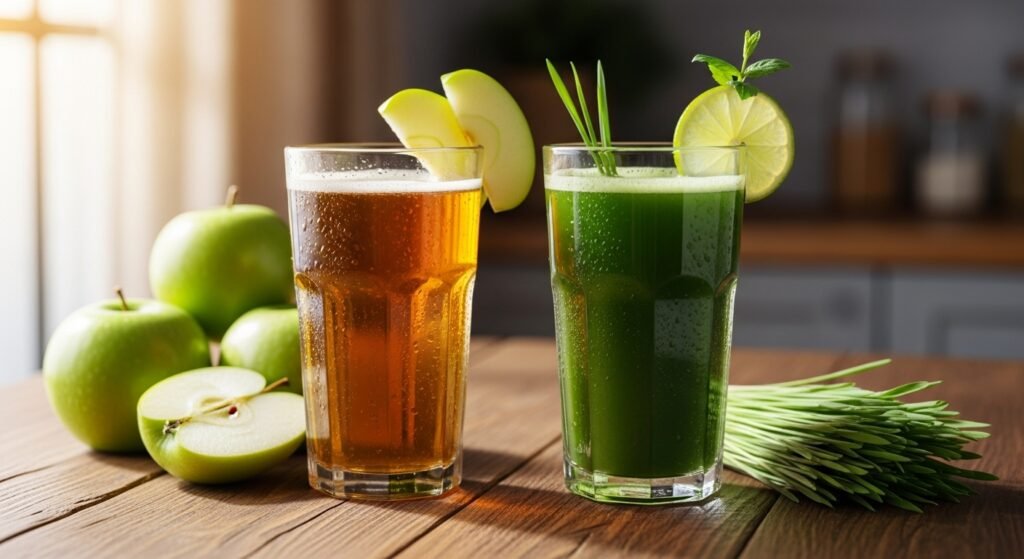
This final energy juice focuses on alkalizing the body to remove the “heavy” feeling that comes from acidic diets.
- Why it boosts energy naturally: Wheatgrass is a concentrated source of living chlorophyll, which mimics hemoglobin in the blood.
- Flavor Profile: Grassy, sweet, and very fresh.
- Key Benefits:
- Rapidly alkalizes the blood.
- Cleanses the digestive tract.
- Provides a massive dose of Vitamin E.
- Who should drink it: Those looking for a fresh start or a systemic “reset.”
- Simple Home Recipe: 2 apples + 1 shot of fresh wheatgrass juice.
- Best time to drink: First thing in the morning.
Comparison Table: Energy Juices vs. Coffee
| Feature | Coffee | Natural Energy Juice |
| Energy Mechanism | Caffeine (Stimulation) | Vitamins/Minerals (Nourishment) |
| Duration of Effect | 1–3 Hours | 4–6 Hours |
| Crash Risk | High (Adenosine rebound) | Low (Stable glucose) |
| Hydration Status | Diuretic (Dehydrating) | Hydrating (Electrolytes) |
| Nutrient Value | Minimal | Very High |
| Best Time of Day | Morning Only | Any Time (Before 4 PM) |
Best Ingredients for Natural Energy Juices
Beets
As discussed, beets are the kings of the energy juice world. Their ability to improve blood flow is unmatched in the plant kingdom.
Citrus Fruits
Oranges, lemons, and limes provide the Vitamin C necessary for neurotransmitter synthesis. They also act as natural preservatives for your juice recipes for energy.
Leafy Greens
Spinach, kale, and swiss chard provide the magnesium that acts as a co-factor in over 300 biochemical reactions in the body, most of which involve energy production.
Ginger
This root is essential for any energy juice because it provides metabolic stimulation without the central nervous system jitteriness of caffeine.
Apples and Berries
These provide the base sweetness and fiber (if partially blended) that keeps the juice energy sustained and delicious.
When to Drink Energy Juices for Maximum Effect
Morning Routine
The best time to consume an energy juice is about 20 minutes after waking up and drinking a glass of plain water. This allows the nutrients to hit your bloodstream when your body is most receptive.
Pre-Workout
A beet-based energy juice taken 30 minutes before exercise can significantly improve your performance and time to exhaustion.
Afternoon Slump
Around 2 PM, when the body’s circadian rhythm naturally dips, a citrus or ginger-based energy juice can provide the lift needed to finish the workday strong.
Avoiding Late-Night Energy Spikes
Even though these juices are natural, drinking a high-sugar or high-ginger energy juice after 6 PM can interfere with your ability to wind down for sleep.
Common Energy Juice Mistakes to Avoid
Too Much Fruit Sugar
While natural, too much fructose can still lead to a blood sugar spike. Always try to balance your energy juice with at least 50% vegetables.
Skipping Meals
An energy juice is a supplement, not a meal replacement for everyone. Ensure you are still getting adequate protein and healthy fats in your solid meals.
Over-Reliance on Juices
Don’t drink four or five juices a day. One or two high-quality energy juices are more than enough to supplement a healthy diet.
Expecting Instant Stimulation Like Coffee
Remember that a natural energy juice works differently than caffeine. You might not feel “wired,” but you will notice that you simply don’t feel tired as the day progresses.
FAQ
Can energy juices really replace coffee?
Yes, for many people, an energy juice provides a more stable and sustainable source of vitality. By providing real nutrients instead of just blocking sleep signals, juices for energy help the body function at its peak without the need for chemical stimulants.
Are energy juices caffeine-free?
Most energy juices are naturally caffeine-free. However, if you include green tea or matcha in your juice energy blends, they will contain small amounts of caffeine. The recipes in this guide are 100% caffeine-free.
What is the best energy juice in the morning?
The Zesty Ginger or the Beetroot Power Surge are often considered the best. A ginger-based energy juice provides a sensory wake-up call, while the beetroot version prepares your body for the physical demands of the day.
How often can I drink energy juices?
Drinking one energy juice per day is a great habit for most people. If you are very active, you might enjoy two. It is important to rotate your ingredients to get a wide variety of nutrients and avoid over-consuming any one specific plant compound.
Will energy juices help me lose weight?
While an energy juice is not a weight loss product, replacing high-calorie coffee drinks (like lattes with syrup) with a low-calorie green juice can help reduce your overall caloric intake while increasing your metabolic rate.
Do I need an expensive juicer?
No. While a cold-press juicer is ideal for preserving nutrients in your energy juice, you can use a standard blender and strain the mixture through a nut milk bag to achieve similar results.
Can children drink energy juices?
Natural energy juices made from whole fruits and vegetables are generally safe for children in moderation. However, avoid adding strong adaptogens like maca or high amounts of ginger to juices intended for younger kids.
How long does a fresh energy juice last?
For the best juice energy benefits, you should drink it within 15–20 minutes of juicing. If you must store it, use an airtight glass container and keep it in the fridge for no more than 24 hours.
Disclaimer
The content provided in this article about energy juices is for informational and educational purposes only. It is not intended to be a substitute for professional medical advice, diagnosis, or treatment.
Always seek the advice of your physician or other qualified health provider with any questions you may have regarding a medical condition or nutritional changes.
Never disregard professional medical advice or delay in seeking it because of something you have read in this guide about energy juice.
Conclusion
Transitioning away from a heavy caffeine dependence is one of the most rewarding health decisions you can make in 2026. By embracing the power of a daily energy juice, you are choosing to fuel your body with the building blocks of life.
These energy juices do more than just wake you up; they provide the antioxidants, minerals, and hydration necessary for long-term health and disease prevention.
We have seen that the most effective way to maintain high performance is to work with the body’s natural biology. Whether you prefer the earthy tones of a beetroot blend or the sharp zest of a ginger shot, there is an energy juice out of the many energy juices available that will fit your palate and your lifestyle.
The variety of juice recipes for energy provided here ensures that you will never grow bored with your morning routine.
As you begin this journey, remember that consistency is key. Your body may take a few days to adjust to the lack of caffeine, but the reward of stable, all-day energy is well worth the transition.
We invite you to explore our other wellness content and continue discovering the incredible power of plant-based nutrition. Your journey to a more vibrant, energetic self starts with a single glass of a nutrient-dense energy juice.
Cheers to your health and your newfound vitality!
Share Your Juice Experience
There are no reviews yet. Be the first one to write one.