In the rapidly evolving wellness landscape of 2026, the shift toward natural, plant-based vitality has never been more pronounced. While synthetic energy drinks once dominated the market, health-conscious consumers are now reaching for vibrant, nutrient-dense alternatives. Among these, matcha-infused energy juices have emerged as a frontrunner.
This trend is largely driven by a collective desire for “clean energy”—the kind that fuels the mind and body without the inevitable crash.
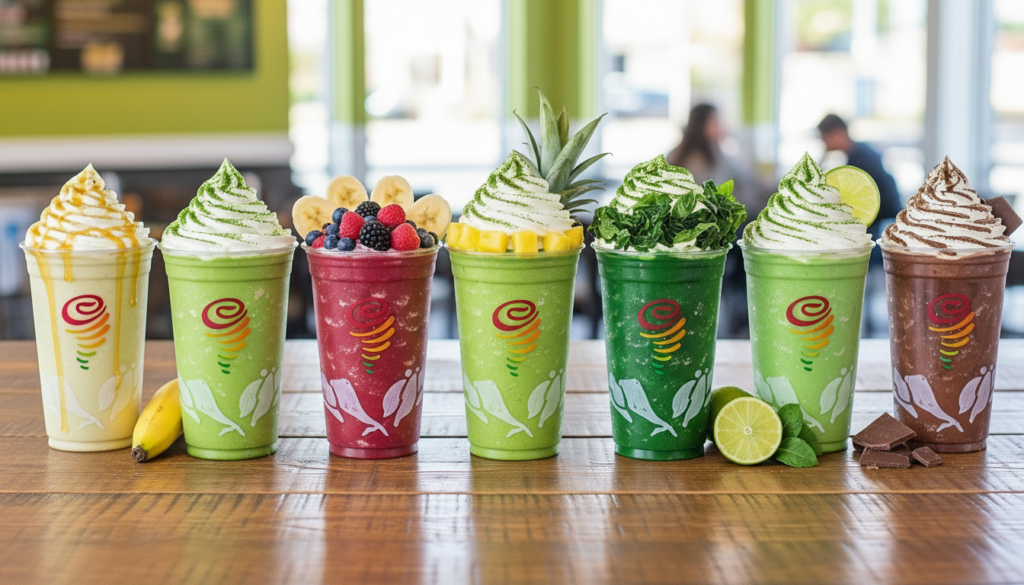
When people look for inspiration, they often think of the classic Jamba Juice matcha flavor profiles that popularized green tea blends in the mainstream.
Matcha is much more than just a trend; it is a nutritional powerhouse. Derived from shade-grown green tea leaves ground into a fine powder, it offers a concentrated dose of antioxidants and a unique amino acid profile.
By combining this ancient Japanese superfood with fresh fruit and vegetable juices, you create a synergy of vitamins and minerals that supports sustained stamina.
Many fans of the traditional jamba juice matcha variety are now discovering that they can replicate and even elevate these flavors at home using fresh, organic ingredients.
The popularity of these blends lies in their versatility. Whether you are looking for a sharp citrus kick to start your morning or a hydrating cucumber mix for post-workout recovery, matcha fits seamlessly into the equation.
It provides an earthy undertone that balances the natural sweetness of fruits like pineapple and apple. As we dive into the world of matcha juice, we will explore why the jamba juice matcha style of blending remains a gold standard for refreshing energy.
What Makes Matcha a Powerful Energy Ingredient
To understand why a jamba juice matcha drink feels different from a standard cup of coffee, we have to look at the chemistry of the tea leaf. Matcha contains a respectable amount of natural caffeine, but its secret weapon is L-theanine.
This amino acid promotes relaxation without drowsiness. When paired with caffeine, it creates a state of “calm alertness,” often referred to as a zenergy state.
Antioxidants, specifically EGCG (epigallocatechin gallate), are abundant in matcha. These compounds help combat oxidative stress in the body, which is essential for long-term health and wellness.
Unlike the quick spike and drop associated with sugary energy drinks, the energy from a jamba juice matcha inspired juice is released slowly over several hours.
Focus and stamina are the primary benefits reported by regular matcha drinkers. Because you are consuming the entire leaf in powder form, rather than just the steeped water, you receive 100% of the nutrients.
This makes it an ideal ingredient for anyone needing sustained mental clarity for work or physical endurance for athletic pursuits. If you’ve ever enjoyed a matcha juice, you know that the revitalizing feeling is almost immediate yet surprisingly gentle.
Why Matcha Works Well in Fresh Juices
Matcha is incredibly adaptable, which is why it has become a staple in juice bars across the globe. The earthy, slightly bitter notes of high-quality matcha act as a sophisticated anchor for the bright, acidic flavors of fresh produce. When you order a jamba juice matcha blend, you are experiencing a carefully balanced ratio of sweetness to earthiness.
Pairing with Citrus and Fruits
Citrus fruits like lemons, limes, and oranges are excellent companions for matcha. The vitamin C in citrus actually helps the body absorb the antioxidants in the green tea more efficiently.
Similarly, the tropical sweetness of pineapple or the crisp profile of an apple cuts through the grassiness of the matcha, making it palatable for those who might find the tea too strong on its own.
The Role of Green Veggies
Cucumber and leafy greens like spinach or kale add a layer of hydration and chlorophyll to your matcha juice. These ingredients keep the calorie count low while boosting the volume and mineral content of the drink. The result is a vibrant green elixir that looks as good as it tastes.
Best 6 Matcha-Infused Energy Juices
Creating the perfect jamba juice matcha style drink at home requires the right ingredients and a bit of technique. Here are six curated recipes to power your day.
1. Matcha Pineapple Energy Juice
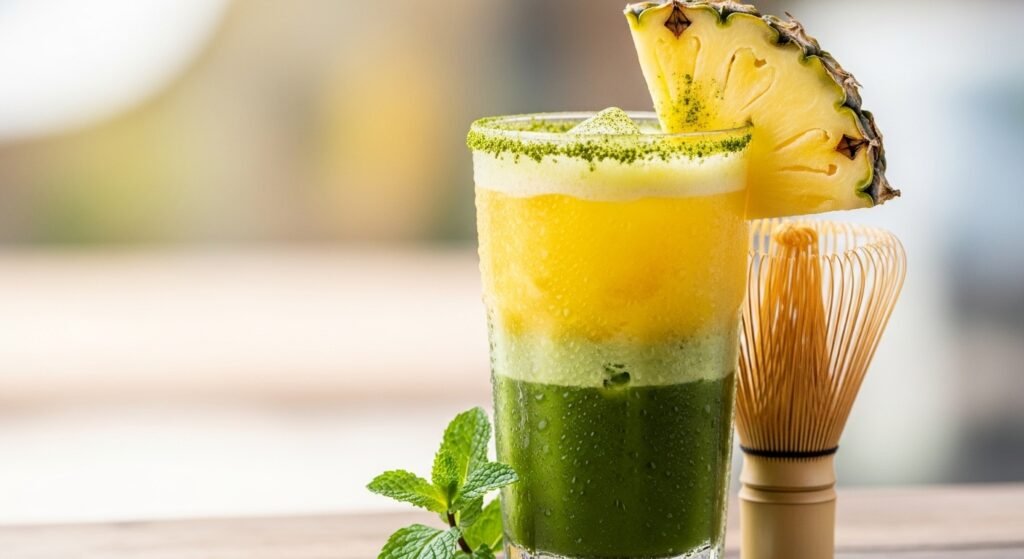
This recipe is a nod to the tropical vibes often found in a matcha green tea jamba juice. The pineapple provides a natural sweetness that masks any bitterness from the tea.
- Ingredients: 1 cup fresh pineapple juice, 1 tsp ceremonial grade matcha, 1/2 inch fresh ginger, and a splash of coconut water.
- Instructions: Juice the pineapple and ginger first. Whisk the matcha with a tablespoon of warm water to create a paste, then stir it into the cold juice. Serve over ice.
- Flavor Profile: Tropical, sweet, and spicy.
- When to Drink: Mid-morning for a metabolism boost.
2. Matcha Green Detox Juice
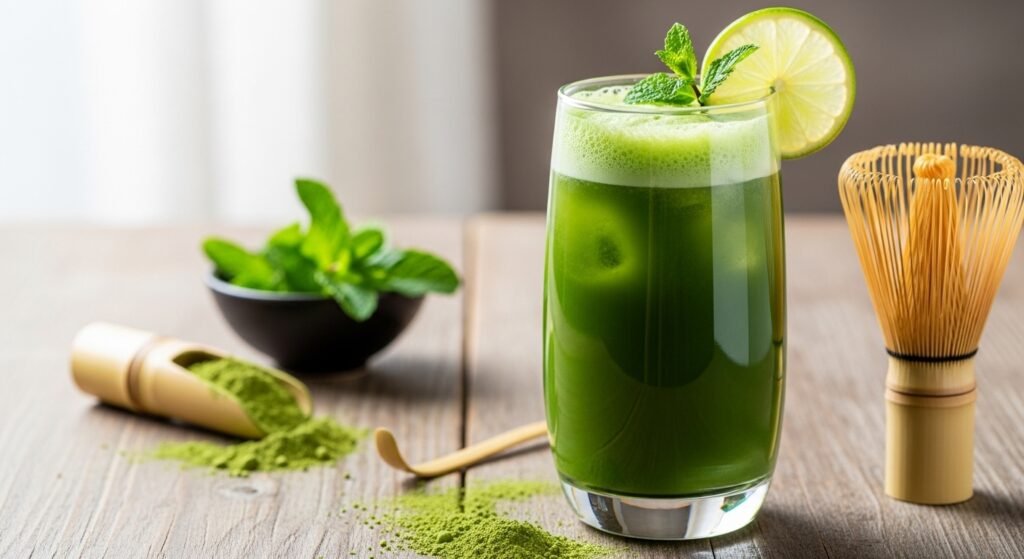
For those who want a deep nutritional cleanse, this recipe mimics the refreshing qualities of a jamba juice matcha green blend but with more fiber and minerals.
- Ingredients: 2 stalks celery, 1 green apple, 1/2 cucumber, a handful of spinach, and 1 tsp matcha powder.
- Instructions: Run all produce through a juicer. Sift the matcha into the juice and use a handheld frother to ensure there are no clumps.
- Flavor Profile: Crisp, clean, and mildly sweet.
- When to Drink: First thing in the morning on an empty stomach.
3. Matcha Citrus Boost Juice
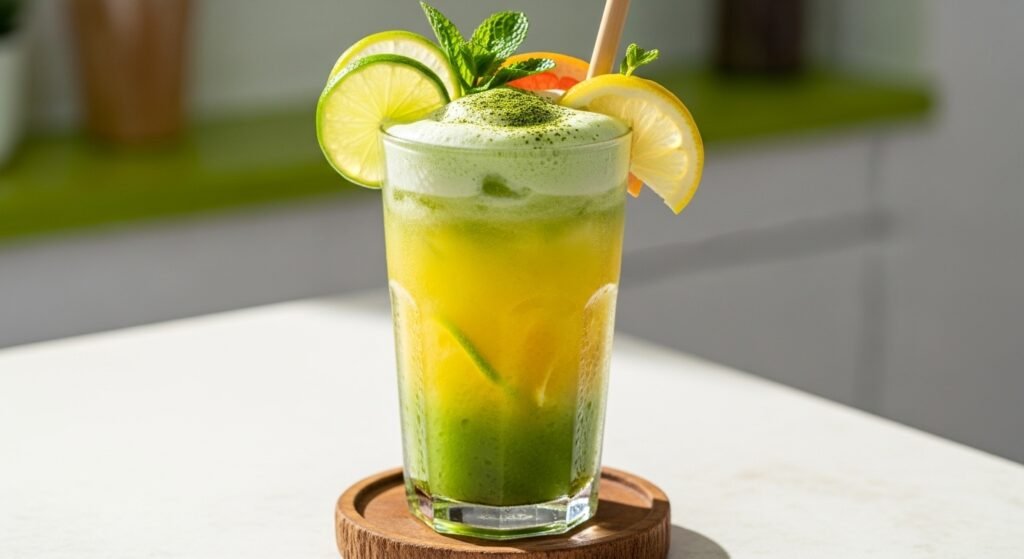
This is the ultimate pick-me-up. It combines the high-energy output of a jamba juice matcha with the immune-supporting power of vitamin C.
- Ingredients: 2 oranges, 1/2 lemon, 1 tsp matcha, and a teaspoon of raw honey (optional).
- Instructions: Squeeze the oranges and lemon. Mix the matcha with the honey and a little juice to dissolve, then combine with the rest.
- Flavor Profile: Tart, bright, and invigorating.
- When to Drink: Before a long meeting or a study session.
4. Apple Matcha Energy Juice
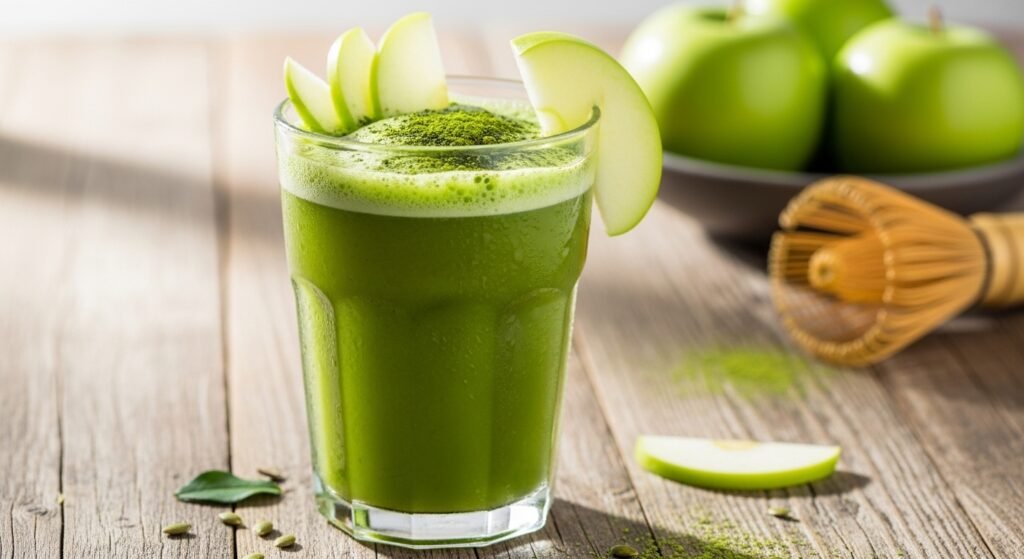
A simple yet effective combination that reminds many of the classic matcha jamba juice menu items.
- Ingredients: 3 Fuji or Gala apples, 1 tsp matcha, and a pinch of cinnamon.
- Instructions: Juice the apples. Stir in the matcha and cinnamon. The pectin in the apple juice gives this drink a lovely, smooth mouthfeel.
- Flavor Profile: Sweet, autumnal, and comforting.
- When to Drink: As a healthy afternoon snack replacement.
5. Matcha Cucumber Hydration Juice
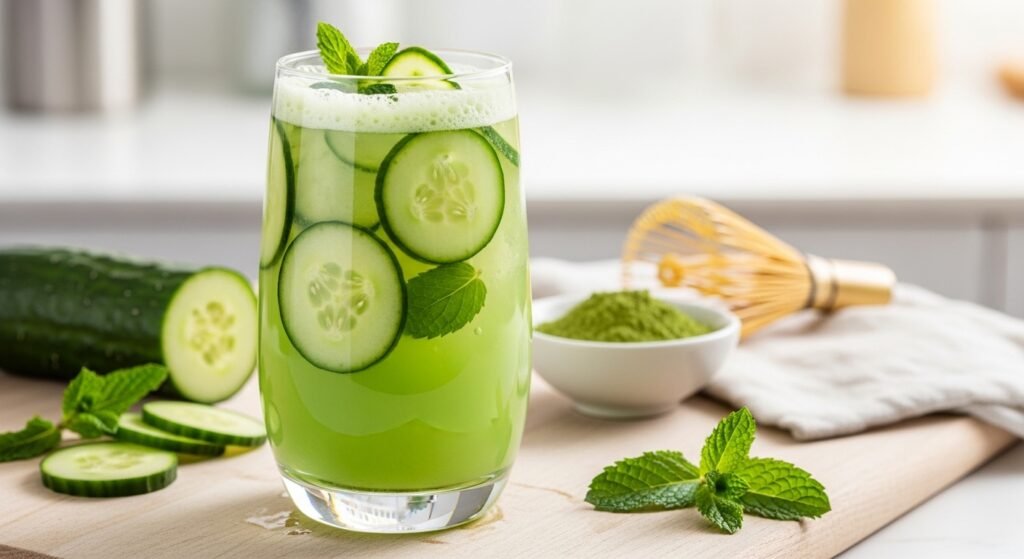
If you need something light, this is the way to go. It’s less dense than a jamba juice matcha smoothie but just as revitalizing.
- Ingredients: 1 large cucumber, a squeeze of lime, 1 tsp matcha, and a few mint leaves.
- Instructions: Juice the cucumber and mint. Add the lime juice and whisk in the matcha powder.
- Flavor Profile: Extremely cooling and herbal.
- When to Drink: Post-workout to rehydrate and replenish.
6. Tropical Matcha Vitality Juice
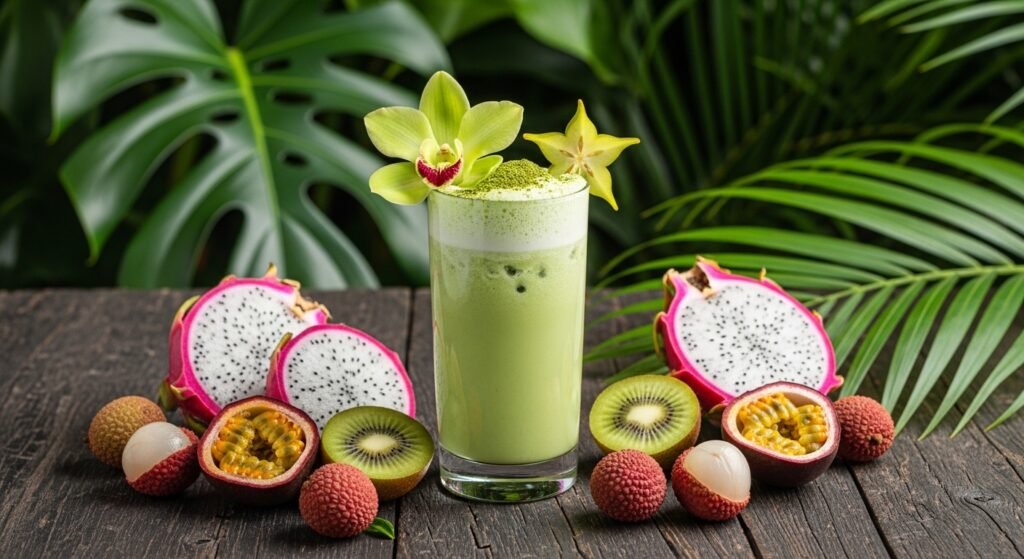
This recipe is designed to be a crowd-pleaser, capturing the essence of a Jamba Juice matcha green tea blast in a glass.
- Ingredients: 1/2 cup mango juice, 1/2 cup passion fruit juice, 1 tsp matcha, and a splash of sparkling water.
- Instructions: Mix the fruit juices together. Add the matcha and stir well. Top with sparkling water for a refreshing fizz.
- Flavor Profile: Exotic, bold, and bubbly.
- When to Drink: At a weekend brunch or as a pre-party energy lift.
Matcha Juice vs Coffee for Energy
When comparing a jamba juice matcha beverage to a standard cup of black coffee, the most significant difference is the “delivery system” of the caffeine.
Coffee provides a rapid spike in cortisol and adrenaline, which can lead to the “jitters” or feelings of anxiety in sensitive individuals.
In contrast, the caffeine in a matcha jamba juice is absorbed more slowly. This is due to the presence of phytonutrients that bind to the caffeine molecules. The result is a plateau of energy that lasts 4 to 6 hours, rather than the sharp peak and trough associated with espresso.
Furthermore, coffee is acidic and can occasionally cause digestive discomfort. Matcha is more alkaline and, when combined with fresh juice, provides a soothing effect on the stomach.
If you are looking for sustained endurance without the heart palpitations, switching your morning coffee for a jamba juice matcha inspired juice is a smart move.
Tips for Making Better Matcha Juices at Home
To get that professional jamba juice matcha taste at home, you need to pay attention to the details.
- Choose Quality Matcha: Use “Ceremonial Grade” for juices. It has a vibrant green color and a smoother taste compared to “Culinary Grade,” which can be quite bitter.
- Sift Your Powder: Matcha is prone to clumping. Always use a fine-mesh sifter before mixing it into your liquid.
- The “Paste” Method: Never dump dry matcha powder directly into a large glass of juice. Mix it with a tiny bit of liquid first to create a smooth paste, then thin it out.
- Balance Sweetness: If your juice is too tart, add a natural sweetener like agave or a few drops of stevia. This helps replicate the addictive flavor of a matcha green tea jamba juice.
- Avoid Heat: To preserve the delicate antioxidants and the bright color, never use boiling water. If you need to dissolve the powder, use lukewarm or room temperature water.
Common Mistakes When Making Matcha Juices
Even if you love the Jamba Juice matcha experience, you might find your home versions lacking if you fall into these common traps:
- Using Boiling Water: High temperatures scorch the leaves, resulting in a “burnt” and bitter taste.
- Too Much Matcha: While it’s tempting to add more for “extra energy,” too much powder can make the juice chalky and overwhelming. One teaspoon is usually the sweet spot for a 12oz drink.
- Wrong Fruit Pairings: While matcha is versatile, very heavy or creamy fruits like banana can sometimes muffle the delicate tea flavor. Stick to watery, high-acid fruits for the best results.
- Neglecting the Frother: A simple spoon often isn’t enough to fully incorporate the tea. A small electric milk frother is the best tool for a smooth Jamba Juice matcha consistency.
FAQ
Is matcha juice good for energy?
Absolutely. Because it contains both caffeine and L-theanine, a jamba juice matcha style juice provides a balanced energy lift that helps with both physical stamina and mental focus.
Can you mix matcha with fruit juice?
Yes, it is one of the best ways to consume it! The natural sugars in fruit juice provide immediate glucose for the brain, while the matcha provides the long-term fuel. Many people prefer a matcha juice over traditional hot tea because it’s more refreshing.
Does matcha help stamina?
Yes, studies have shown that green tea extract can increase endurance by improving the body’s ability to burn fat as fuel during exercise. This makes a Jamba Juice matcha drink an excellent pre-workout choice.
What fruits taste best with matcha?
Pineapple, mango, lemon, lime, and green apple are the top contenders. These fruits have enough acidity to balance the earthiness of the tea, similar to the profile of a matcha green tea jamba juice.
Is matcha healthier than coffee?
While both have benefits, matcha offers a higher concentration of antioxidants and a more stable energy release. It is also less likely to cause the “caffeine crash” that coffee drinkers often experience.
How much caffeine is in a matcha juice?
On average, a teaspoon of matcha contains about 70mg of caffeine, which is slightly less than a cup of coffee but more than a standard cup of steeped green tea.
Can I store my matcha juice for later?
It is best consumed fresh. Matcha oxidizes when exposed to air, which can change the color from bright green to a dull brown and alter the flavor. If you must store it, use an airtight container and drink it within 4 hours.
Where can I find a good matcha juice if I’m out?
Most major juice chains now offer them. You can easily find a matcha green tea jamba juice or similar options at local health food cafes.
Conclusion
The rise of the Jamba Juice matcha trend has opened the door for many to explore the incredible benefits of powdered green tea. These six juice recipes offer a starting point for anyone looking to reclaim their energy levels using natural, whole-food ingredients.
By combining the ancient wisdom of matcha with the modern convenience of fresh juicing, you can create a daily ritual that supports your health, mood, and productivity.
Whether you are trying to recreate a Jamba Juice matcha favorite or inventing your own signature blend, the key is quality and balance. These drinks are more than just a tasty treat; they are a functional tool for a high-performance lifestyle.
As we continue to navigate the demands of 2026, having a reliable, healthy source of energy like a jamba juice matcha inspired juice is essential. Give these recipes a try and feel the difference that true green energy can make in your life.
The next time you feel the afternoon slump approaching, skip the soda and the extra espresso. Instead, reach for a vibrant matcha juice. With its unique ability to sharpen the mind and steady the nerves, it truly is the ultimate energy ingredient for the modern world.
Share Your Juice Experience
There are no reviews yet. Be the first one to write one.